
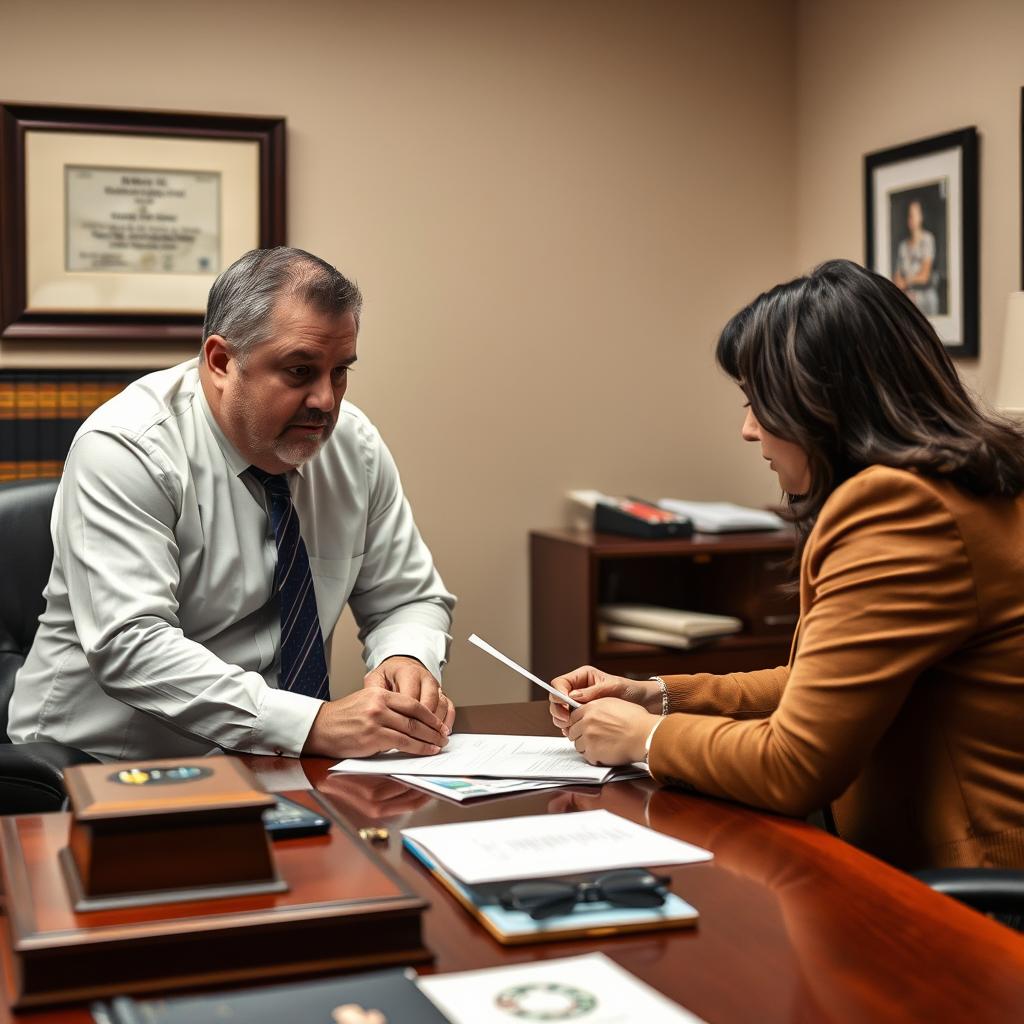
What happens at a criminal arraignment in Wesley Heights
When you are charged with a criminal offense in Wesley Heights, the arraignment is your first formal appearance before a judge. The proceeding takes place at the D.C. Superior Court, located at 500 Indiana Avenue NW. During the arraignment, the judge reads the charges against you, confirms that you understand your rights, and asks how you plead—guilty or not guilty. The court also addresses the conditions of your pretrial release. In Washington, D.C., the Pretrial Services Agency conducts a risk assessment and recommends release terms rather than relying on a preset cash bail schedule. Decisions made at this stage can shape the course of your case, making it important to have experienced legal counsel present. Law Offices Of SRIS, P.C., founded in 1997, represents individuals at every step of the criminal process in the District of Columbia. Reach our firm at (888) 437-7747 to request a consultation. Law Offices Of SRIS, P.C. – Advocacy Without Borders.
How Arraignment Works at D.C. Superior Court in Wesley Heights
After an arrest in Wesley Heights, the arraignment is generally held within one business day for misdemeanors, while felonies may involve a slightly longer timeline depending on charging decisions. At the hearing, the judge formally advises you of the charges and your constitutional rights, including the right to remain silent and the right to an attorney. If you do not have private counsel, the court will determine whether you qualify for representation by the Public Defender Service for D.C.
A plea is then entered. If you plead not guilty, the court sets a date for a status hearing or trial and addresses any pretrial motions. If you plead guilty or no contest, the judge will explain the potential consequences before accepting the plea. The court also handles release conditions. Instead of fixed bail amounts, D.C. Relies on a risk-based system administered by the Pretrial Services Agency. The court may impose conditions such as drug testing, stay-away orders, or travel restrictions. An experienced attorney can argue for more favorable conditions or supervised release.
Frequently Asked Questions
What is the purpose of a criminal arraignment in D.C.?
The purpose of a criminal arraignment in Washington, D.C., is to formally notify the defendant of the charges, inform them of their rights, and receive their initial plea. It marks the beginning of the formal court process. The judge ensures the defendant understands the allegations and the potential penalties. The proceeding also gives the court an opportunity to address pretrial release decisions. While the arraignment may seem routine, the way certain issues are handled can affect bail review, case scheduling, and the defense strategy moving forward.
Do I need a lawyer for my arraignment in Wesley Heights?
You are not legally required to have a lawyer present at your arraignment, but doing so is strongly advised because critical decisions about your release and case are made at that hearing. An attorney can argue for release on personal recognizance, challenge any proposed conditions, and begin building a defense. Without counsel, you risk making statements that could be used against you or accepting conditions that are harder to modify later. Law Offices Of SRIS, P.C. can provide representation starting at the arraignment stage.
What happens if I plead not guilty at arraignment?
If you plead not guilty, the judge will set further court dates, including a status hearing and, eventually, a trial date. The government must then provide discovery—the evidence it intends to use against you. Your attorney will have the opportunity to review police reports, witness statements, and any forensic evidence, and may file pretrial motions to suppress evidence or dismiss the charges. The case proceeds through the court’s scheduling order, and your lawyer will work to prepare your defense while exploring any plea negotiations that may become available.
How does bail work at D.C. Superior Court?
D.C. Superior Court does not use a traditional cash bail system for most offenses; instead, the Pretrial Services Agency (PSA) assesses each defendant’s risk and recommends release conditions. The judge considers the PSA report, the nature of the charges, and the defendant’s community ties. Conditions may include supervised release, drug testing, electronic monitoring, or a stay-away order. Cash bail is rarely imposed and is reserved for cases where no other conditions can reasonably assure community safety and court appearance.
Can the charges be dismissed at arraignment?
Charges are rarely dismissed at arraignment; the judge focuses on the plea and release conditions at this early stage. Dismissals can occur if the government has not properly filed the charging document or if there is a jurisdictional defect. However, most motions to dismiss are litigated at later hearings after discovery has been exchanged. Your attorney can assess whether any immediate grounds exist to challenge the charges, but the arraignment is typically not the forum for that determination.
What should I bring to my arraignment?
You should bring identification, any paperwork related to your arrest, and contact information for your lawyer. If you have been released on citation, bring that document. It is also helpful to have information about your employment, residence, and family situation, as these may be relevant to the release decision. Avoid bringing weapons, recording devices, or unnecessary personal items to the courthouse. Dress in a manner that shows respect for the court, as this can indirectly influence the judge’s impression.
What if I cannot afford a lawyer for my arraignment?
If you cannot afford a lawyer, the court will determine your eligibility for a court-appointed attorney through the Public Defender Service for D.C. (PDS) or the Criminal Justice Act panel. At the arraignment, the judge will ask about your financial situation and may appoint counsel for you. PDS provides experienced criminal defense lawyers at no cost to those who qualify. Alternatively, you may choose to hire private counsel, like Mr. Sris and his Of Counsel team, who offer consultations by appointment.
How soon after arrest will my arraignment happen?
In D.C., a person arrested for a misdemeanor is typically brought before a judge within twenty-four hours for an initial appearance that includes arraignment. For felony arrests, the timeline may extend a day or two if the U.S. Attorney’s Office needs time to file a charging document. The court’s schedule also affects timing. Regardless of the exact interval, the law requires a prompt presentment. If you are detained, your attorney can file a motion for a bail review hearing to challenge the conditions set at arraignment.
What happens after arraignment in a felony case?
After arraignment in a felony case, the matter proceeds to a preliminary hearing or grand jury indictment, followed by a felony status conference and, eventually, a trial. The timeline is governed by the D.C. Superior Court’s felony docket and the Speedy Trial Act, which imposes certain deadlines. Your attorney will investigate the case, file motions, and engage in discovery. In many cases, plea negotiations continue throughout this process. The period between arraignment and trial can span several months, depending on complexity.
How can Law Offices Of SRIS, P.C. help at my arraignment?
Law Offices Of SRIS, P.C. can represent you at your arraignment, advocate for the most favorable release conditions, advise you on your plea, and begin mounting an active defense from the very first hearing. Mr. Sris and his Of Counsel team have extensive experience appearing in D.C. Superior Court. They understand local procedures and can argue effectively before the court. Early intervention by a knowledgeable attorney can shape the entire trajectory of the case. To request a consultation, contact the firm at (888) 437-7747.
About Mr. Sris and His Of Counsel Team
Mr. Sris, Owner and Founder of Law Offices Of SRIS, P.C., is a former prosecutor who has practiced since 1997. His Of Counsel team includes attorneys with backgrounds as former prosecutors and law enforcement officers, bringing over 120 years of combined legal experience between Mr. Sris and his Of Counsel. Results may vary. They appear regularly in D.C. Superior Court and handle criminal matters throughout the District. Mr. Sris and his Of Counsel have documented 4,739+ case results across all practice areas. Results may vary.
For primary source information: D.C. Courts · D.C. Code Title 22 (Criminal Offenses and Penalties)
Attorney advertising. Prior results do not guarantee a similar outcome.
Case results depend on a variety of factors unique to each case.