
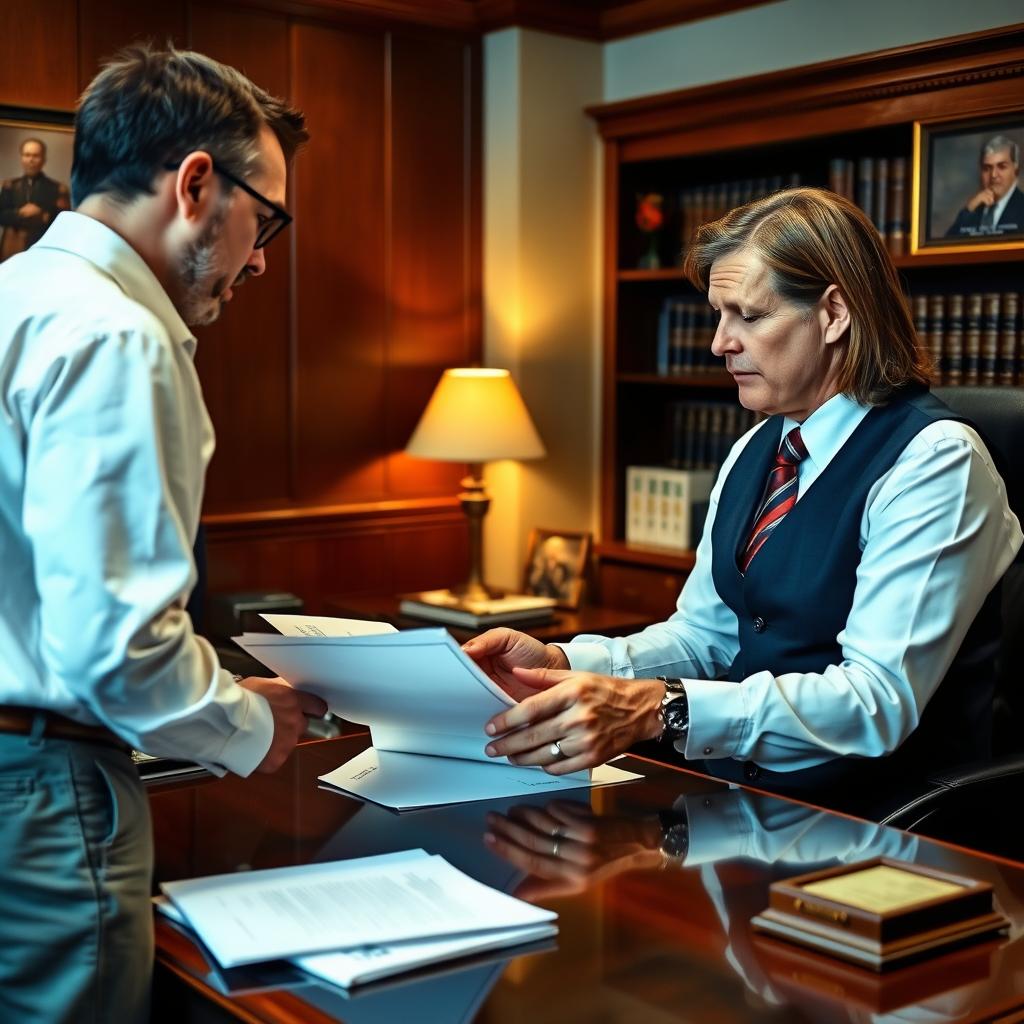
What happens at a criminal arraignment in Rensselaer County
A criminal arraignment in Rensselaer County is the first court appearance after an arrest. At this hearing, the judge formally reads the charges against you, advises you of your constitutional rights, and asks you to enter a plea. For misdemeanor cases, the arraignment takes place in the local town or village criminal court where the arrest occurred—such as Troy City Court or a court in East Greenbush or Schodack. For felony charges, the case is initially heard in a local criminal court, but the actual arraignment on the indictment occurs in Rensselaer County Court or the Supreme Court Criminal Term in Troy. The judge will also address the issue of bail or release conditions. Under New York law, you must be arraigned without unnecessary delay, typically within 24 hours of arrest. Because what you say and do at this early stage can affect the entire case, having experienced legal guidance is important. To discuss your situation and learn about your options at arraignment, call Law Offices Of SRIS, P.C. at (888) 437-7747. Law Offices Of SRIS, P.C. – Advocacy Without Borders.
What to Expect at Your Arraignment in Rensselaer County
When you appear for arraignment, the judge will first ensure you understand the charges. The prosecutor will provide a copy of the complaint or indictment, and the judge will explain the allegations. You will then be advised of your right to counsel. If you cannot afford an attorney, the court will determine whether you qualify for a court‑appointed lawyer, often from the public defender’s office or the 18‑b assigned counsel panel. The judge will then ask how you wish to plead. The common pleas are not guilty, guilty, or, in some circumstances, no contest. It is generally advisable to plead not guilty at arraignment so that your attorney can review the evidence and explore possible defenses before any further decisions are made.
Bail or release conditions are also set at this hearing. Under New York’s 2020 bail reform, cash bail has been eliminated for most misdemeanor and non‑violent felony charges. For these offenses, you are typically released on your own recognizance, meaning you sign a promise to return to court and do not need to post money. For certain violent felonies and qualifying offenses, the prosecutor may request that bail be set, and the judge will decide based on factors such as the nature of the charge, your ties to the community, and any prior failures to appear. After the arraignment, the court will schedule the next court date, which may be a pretrial conference or a hearing. The timeline varies depending on the complexity of the case and the court’s calendar.
Frequently Asked Questions About Arraignments in Rensselaer County
What is an arraignment and why is it important?
An arraignment is the formal first court appearance where a defendant hears the charges and enters a plea. It is a critical stage because it establishes the legal framework for the case. The judge will review the charges, advise you of your rights, and set conditions for your release or bail. Any statements you make or decisions you make without an attorney can later be used against you, so you should approach the arraignment with care and consider having legal counsel present.
Do I need a lawyer at my arraignment?
You have the right to be represented by an attorney at your arraignment, and having one present can protect your interests. While you are not required to have a lawyer, an experienced criminal defense attorney can help you understand the charges, advise you on an appropriate plea, and argue for favorable release conditions. In Rensselaer County, the judge will inform you of your right to counsel and may appoint a public defender if you qualify financially.
What should I do if I cannot afford an attorney?
If you cannot afford a lawyer, you may ask the court to appoint one at your arraignment. The judge will ask about your income, assets, and obligations to determine whether you qualify for free legal representation. In Rensselaer County, eligible defendants are represented by the public defender’s office or by private attorneys from the 18‑b assigned counsel panel. You should provide honest financial information so the court can assess your eligibility accurately.
Can I plead guilty at my arraignment?
Technically yes, but it is rarely in your best interest to plead guilty at the arraignment without first speaking to an attorney. Your lawyer will need time to review the police reports, witness statements, and other evidence before you make a final decision. In most cases, individuals are advised to plead not guilty at the arraignment. This preserves all of your rights and allows your attorney to negotiate with the prosecutor or file motions that could lead to a better outcome.
What bail or release options are available in Rensselaer County?
New York’s bail reform laws have limited the use of cash bail, and many people are released on their own recognizance. For most misdemeanors and non‑violent felonies, the judge must release you without monetary conditions. For certain violent felonies and specified offenses, the prosecutor may ask for bail, and the judge will weigh factors like the seriousness of the charge, your criminal history, and your community ties. Alternatives to cash bail, such as supervised release programs, may also be ordered.
What happens after the arraignment?
The case moves forward to the next phase, usually a pretrial conference, a hearing, or the start of discovery. The timeline depends on the level of the charges and the court’s schedule, but misdemeanor cases often progress more quickly than felonies. Under New York’s speedy trial statute (CPL § 30.30), the prosecution must be ready for trial within 90 days for misdemeanors and six months for felonies. Your attorney will begin reviewing evidence and may file motions to challenge the sufficiency of the complaint.
What should I bring to my arraignment?
You are not required to bring documents, but it can be helpful to have identification and any paperwork related to your arrest. If you received a desk appearance ticket (DAT), bring it with you. Do not bring weapons, drugs, or anything that could be considered contraband. Dress respectfully, and try to arrive early. If you have already retained an attorney, they will advise you on what to bring and will appear with you.
What if I miss my arraignment?
Missing an arraignment can result in a bench warrant for your arrest. If you cannot appear at the scheduled time, you should contact your attorney immediately and try to notify the court. Your lawyer may be able to reschedule the hearing or explain your absence. Unintentional failures to appear can sometimes be resolved without additional charges, but you should not ignore a missed court date, because the situation will only worsen.
How does the arraignment differ for a felony versus a misdemeanor?
For a felony, the initial arraignment typically occurs in the local criminal court, but the final arraignment on the indictment happens in the county or supreme court after the grand jury votes. In Rensselaer County, a felony defendant first appears in a town, village, or city court for a preliminary arraignment. If the grand jury returns an indictment, a second arraignment takes place in the Rensselaer County Court or Supreme Court. Misdemeanor cases are handled entirely in the local criminal court through a single arraignment.
Can the charges be dismissed at or before the arraignment?
It is uncommon, but in some limited circumstances charges can be dismissed at or even before arraignment. For example, if the complaint is legally insufficient on its face, a prosecutor may decide not to go forward. Also, for certain first offenses, an Adjournment in Contemplation of Dismissal (ACD) may be offered later in the process, experienced to a dismissal after a waiting period. Your attorney can evaluate whether such options might apply to your case.
About Mr. Sris and His Of Counsel Team
Law Offices Of SRIS, P.C. was founded in 1997 by Mr. Sris, a former prosecutor who now concentrates his practice on criminal defense across multiple states. Mr. Sris is admitted in Virginia, Maryland, the District of Columbia, New Jersey, and New York, and his firm serves clients in Rensselaer County and throughout the state. He testified before the Virginia House Courts of Justice Committee in support of 2019 HB 635 (chief patron Del. David Bulova). His Of Counsel team includes experienced attorneys who bring extensive combined legal experience to every matter. Together, Mr. Sris and his Of Counsel work to protect the rights of individuals facing criminal charges. Results may vary. For a consultation about your arraignment, call Law Offices Of SRIS, P.C. at (888) 437-7747.
Explore additional resources:
Criminal Defense Lawyer in Rensselaer County |
Criminal Defense Lawyer in New York County (Manhattan) |
Criminal Defense Lawyer in Kings County (Brooklyn) |
Criminal Defense Lawyer in Queens County |
Criminal Defense Lawyer in Richmond County (Staten Island)
Attorney advertising. Prior results do not guarantee a similar outcome.
Case results depend on a variety of factors unique to each case.