
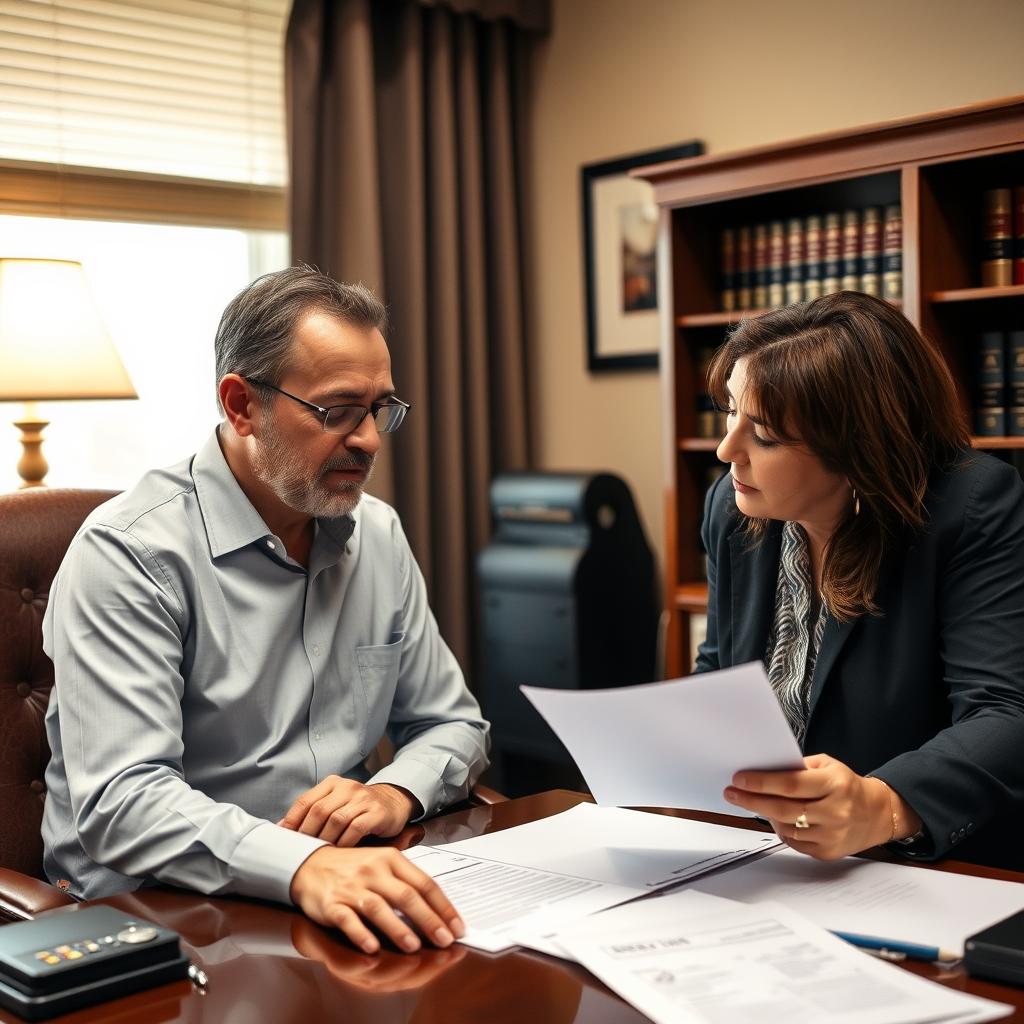
What happens at a criminal arraignment in Albemarle County
If you have been charged with a criminal offense in Albemarle County, your first court appearance is typically the arraignment. This is the hearing where you are formally informed of the charges against you and enter a plea. In Albemarle County, the location and timing of the arraignment depend on whether the charge is a misdemeanor or a felony. Misdemeanor arraignments take place at the Albemarle County General District Court, located at 350 Park Street in Charlottesville, while felony matters may begin with an initial appearance or a preliminary hearing in the same court before proceeding to the Albemarle County Circuit Court. At the arraignment, the judge reads the charges, the defendant enters a plea of guilty, not guilty, or no contest, and the court addresses the issue of bond. Understanding this process can help reduce the uncertainty of a criminal case; contact Law Offices Of SRIS, P.C. at (888) 437-7747 to request a consultation with an experienced defense attorney. Law Offices Of SRIS, P.C. – Advocacy Without Borders.
What an arraignment involves in Albemarle County
An arraignment is the formal starting point of a criminal case in Virginia. At the Albemarle County General District Court, the process begins when the judge calls the case and reads the charge. The charge may cite a specific statute under Virginia Code Title 18.2, such as assault and battery, petit larceny, or driving on a suspended license. The defendant is then asked to enter a plea. A plea of not guilty leads the court to schedule a trial date. A guilty plea may result in immediate sentencing or a sentencing hearing on a separate date. For felony charges, the arraignment may be combined with a preliminary hearing to determine whether there is enough evidence for the case to go to the grand jury in Circuit Court. Throughout this appearance, Mr. Sris and his Of Counsel team can be present to advise on the implications of each plea and the trusted course of action based on the specific facts of the case.
The practical experience of the court and the local procedures can influence the flow of the hearing. The Commonwealth’s Attorney for Albemarle County prosecutes criminal cases. At the arraignment, the prosecutor may provide initial discovery or make an offer to resolve the case. Having an experienced defense attorney at this stage is important because decisions made at the arraignment—such as waiving a preliminary hearing or accepting a plea agreement—can have long-lasting consequences. The judge may also address the issue of bond if it has not been set or if the defendant requests a bond review. A magistrate sets initial bond after arrest, but the judge can modify it at the arraignment based on factors like flight risk and community safety.
Frequently Asked Questions
What is an arraignment hearing?
An arraignment is the first court appearance after an arrest where a criminal defendant is formally told of the charges and asked to enter a plea. In Albemarle County, the arraignment is held before a judge in the General District Court for misdemeanors and some preliminary felony proceedings. The judge reads the charge aloud from the warrant or indictment, and the defendant, or their attorney, enters a plea. If the defendant does not have an attorney, the judge may continue the case to allow time to hire counsel or apply for a court-appointed attorney. This initial step is procedural but sets the direction of the entire case.
Do I need a lawyer at my arraignment in Albemarle County?
You are not legally required to have a lawyer at the arraignment, but it is strongly recommended because the decisions made there—such as the plea you enter and the bond conditions—can affect the outcome of your case. An experienced criminal defense lawyer can explain the charges, evaluate any plea offer made by the Commonwealth, and argue for a lower bond or release on personal recognizance. At the Albemarle County General District Court, the judge will advise you of your right to an attorney. If you cannot afford one, you may qualify for a public defender or court-appointed counsel, but only after the court determines your eligibility. Having your own attorney present from the start helps ensure your rights are fully protected.
What plea options do I have at an arraignment?
The three standard pleas at an arraignment are not guilty, guilty, and no contest (nolo contendere). A not guilty plea means the case will proceed to trial in the General District Court for a misdemeanor or to a preliminary hearing for a felony. A guilty plea may lead to immediate sentencing for some minor offenses, though the judge often sets a date for a sentencing hearing. A no contest plea means you do not admit guilt but accept the punishment. In Virginia, the court must agree to accept a no contest plea. Our criminal defense attorneys at Law Offices Of SRIS, P.C. can help you decide which plea is appropriate based on the evidence and the potential consequences in Albemarle County courts.
How does bail work at the arraignment?
A magistrate sets initial bail after arrest, but the judge can review and modify bail at the arraignment if requested. In Albemarle County, the court may release a defendant on personal recognizance—meaning no money is required—for many first-offense misdemeanors. For more serious charges, the court may require a secured bond, which typically must be posted through a bail bondsman. The judge considers factors such as the severity of the offense, ties to the community, prior criminal record, and risk of flight. An attorney can present arguments for a lower bond or for release on recognizance at the arraignment.
What happens if I plead not guilty at the arraignment?
If you plead not guilty, the court will set a trial date for General District Court, or, for felony charges, schedule a preliminary hearing to decide whether the case goes to the Circuit Court. In Albemarle County, misdemeanor trials are typically scheduled within a timeframe set by the court’s calendar, depending on the complexity of the case and the availability of witnesses. After a not guilty plea, the Commonwealth’s Attorney will continue to gather evidence and may extend a plea offer before the trial date. Our attorneys can begin preparing your defense immediately after the arraignment, identifying weaknesses in the prosecution’s case and exploring all legal avenues.
Can I have my charges dismissed at the arraignment?
It is uncommon for charges to be dismissed at the arraignment, but it is possible in certain circumstances. The Commonwealth’s Attorney may ask the court to dismiss the case if there is insufficient evidence or if the complaining witness does not appear. Sometimes, procedural defects in the charging documents can lead to a dismissal. An experienced defense attorney can identify such issues and raise them at the arraignment. If the charge is not dismissed, the case moves forward to the trial or preliminary hearing stage. Contact our firm to discuss the specific facts of your case.
What should I bring to my arraignment in Albemarle County?
You should bring a valid photo ID, any documents you received at the time of arrest (such as the summons or bond papers), and contact information for your attorney if you have one. It is also helpful to bring a list of your current address, phone number, and employment information, as these details may be relevant for a bond review. The Albemarle County General District Court is located at 350 Park Street in Charlottesville, and you should arrive early to allow time for parking and security screening. Proper attire and respectful behavior are expected in the courtroom. If you have hired Mr. Sris and his Of Counsel team, we will provide you with all the necessary instructions before your appearance.
What is the difference between a General District Court arraignment and a Circuit Court arraignment?
General District Court handles arraignments for misdemeanors and preliminary hearings for felonies, while Circuit Court conducts the formal arraignment for felony indictments after a grand jury returns a true bill. In Albemarle County, the General District Court arraignment is the first step for all criminal cases. If the charge is a felony, the judge at the preliminary hearing determines whether probable cause exists; if so, the case is certified to the grand jury. After an indictment, the defendant is arraigned again in Circuit Court, where they enter a plea to the felony charges. Circuit Court cases are generally more serious and carry higher potential penalties. Our attorneys can represent you at both levels of court.
What happens if I miss my arraignment in Albemarle County?
Missing your arraignment can result in the judge issuing a capias (bench warrant) for your arrest, which could lead to additional charges and a more difficult bond situation. The court treats failure to appear very seriously. If you miss your hearing due to an emergency or mistake, contact an attorney immediately, who can help you schedule a new court date and present an explanation to the judge. It is far better to have your lawyer address the situation before you are taken into custody again. If you are not sure when your arraignment is scheduled, call our location at (888) 437-7747 and we can check the court’s records for you.
Can I speak to the judge directly at my arraignment?
While you have the right to speak during the arraignment, it is best to do so only through your attorney. The judge will ask you for your plea and may ask you questions about your finances if you are requesting a court-appointed attorney. However, anything you say to the judge can be used against you later in the case, and an unrepresented defendant might inadvertently harm their defense. With an attorney, all communication with the court is handled professionally and strategically. If you choose to represent yourself, the judge will advise you of the risks before proceeding.
How long does the arraignment process typically take?
The length of an arraignment can vary from a few minutes to an hour, depending on the court’s caseload and the complexity of the case. In Albemarle County General District Court, the arraignment docket may include many cases, so your actual time before the judge may be short. However, waiting for your case to be called can take several hours. It is wise to clear your schedule for the morning or afternoon session. Our attorneys can often streamline the process by having all necessary paperwork ready and addressing any bond issues efficiently.
About Mr. Sris and His Of Counsel Team
Law Offices Of SRIS, P.C. was founded in 1997 by Mr. Sris, Owner and Founder and a former prosecutor. Mr. Sris is admitted in Virginia, Maryland, the District of Columbia, New Jersey, and New York. Mr. Sris and his Of Counsel bring over 120 years of combined legal experience and have achieved over 4,739 documented firm-wide results. Results may vary. For representation at your arraignment in Albemarle County, our Shenandoah Location serves clients throughout the area, including Charlottesville, Crozet, Earlysville, Ivy, and North Garden. The location address is 505 N Main St, Suite 103, Woodstock, VA 22664, and consultations are by appointment; call (888) 437-7747.
Outbound primary sources: Virginia Code Title 19.2 — Criminal Procedure ? Albemarle County General District Court ? Virginia’s Judicial System
Attorney advertising. Prior results do not guarantee a similar outcome.
Results may vary.
Case results depend on a variety of factors unique to each case.