
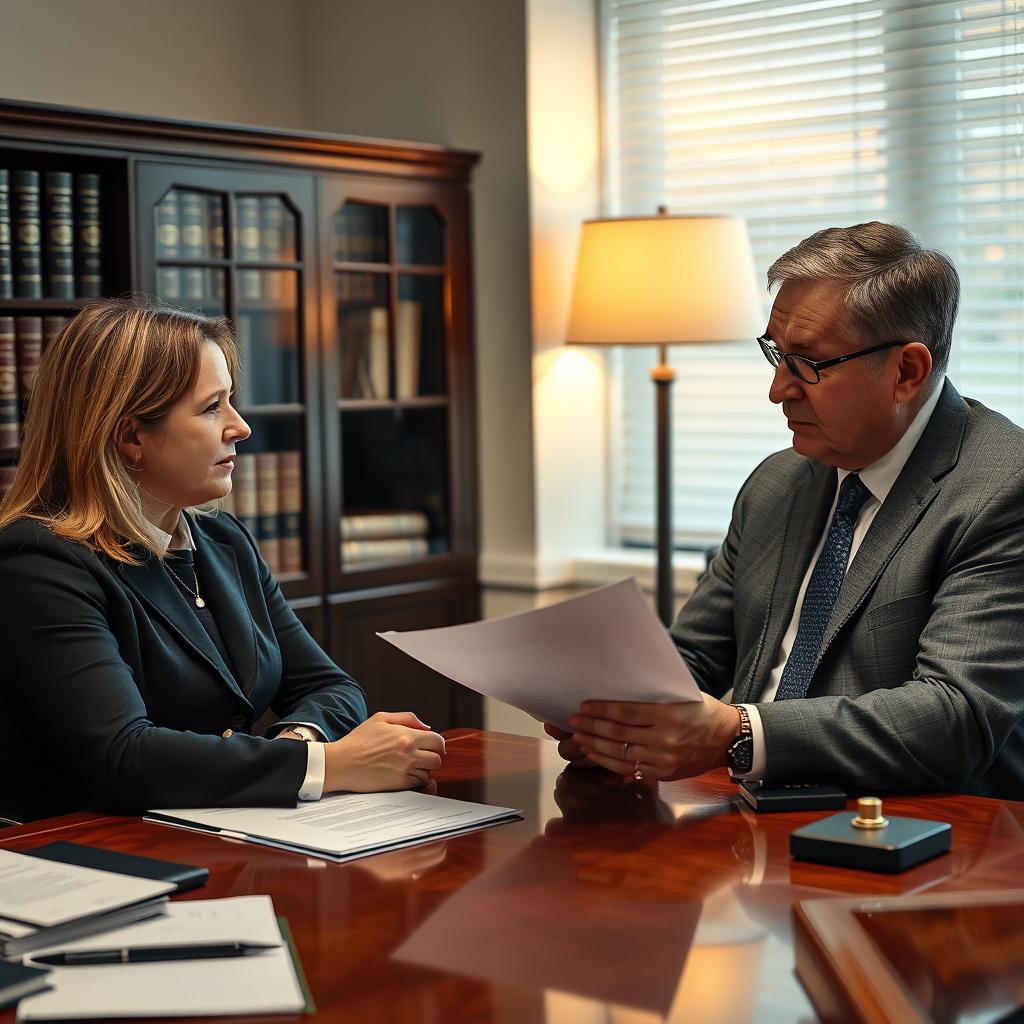
Stalking Lawyer Bloomingdale, DC
If you are facing stalking allegations in the Bloomingdale neighborhood of Washington, D.C., the situation can feel isolating and overwhelming. Stalking is treated seriously under the District of Columbia’s criminal code, and a conviction can carry significant consequences beyond the immediate court penalty—including a permanent criminal record, protective orders, and restrictions on your liberty. The unique structure of the District’s justice system means these cases are prosecuted by the United States Attorney’s Office for the District of Columbia, not a local district attorney. The charges are heard at the DC Superior Court, located at 500 Indiana Avenue NW, just a few miles from Bloomingdale. Mr. Sris and his Of Counsel team understand the local procedures, the expectations of the court, and the full weight a stalking charge can place on your personal and professional life. Law Offices Of SRIS, P.C. has served clients throughout Washington, D.C., since 1997, and we are available to discuss your situation. For a confidential consultation, reach us at (888) 437-7747. Law Offices Of SRIS, P.C. — Advocacy Without Borders.
Stalking Charges in Bloomingdale, DC: What You Need to Know
Stalking offenses in the District of Columbia fall under Title 22 of the D.C. Code, the body of law that governs criminal offenses and penalties within the District. While the statute defines stalking broadly as a course of conduct that would cause a reasonable person to fear for their safety or suffer emotional distress, the factual circumstances of each case determine how it is charged and prosecuted. The United States Attorney’s Office for the District of Columbia brings these cases on behalf of the government, meaning federal prosecutors—not local district attorneys—handle the matter. This distinctive arrangement sets the tone for the entire criminal process and underscores why local familiarity matters. Cases are adjudicated at the DC Superior Court, which sits at 500 Indiana Avenue NW, Washington, DC 20001. The courthouse is easily accessible from Bloomingdale via the Judiciary Square Metro station on the Red Line, and the Arlington location of Law Offices Of SRIS, P.C. is approximately three miles away, allowing convenient access for meetings and court appearances.
The District of Columbia does not use a traditional cash bail system. Instead, the Pretrial Services Agency—a federal agency—conducts a risk assessment after arrest and recommends conditions of release. Most defendants are released without having to post money, but the conditions can include stay-away orders, electronic monitoring, or regular check-ins. The court’s pretrial decisions are heavily influenced by the nature of the alleged conduct and any history of similar allegations. For someone in Bloomingdale facing a stalking accusation, understanding how the pretrial release mechanism works can be critical to protecting both liberty and reputation during the pendency of the case. The process begins with an initial appearance, often within 24 hours of arrest, followed by a status hearing and, for felony-level charges, a preliminary hearing or grand jury indictment. Misdemeanor stalking matters typically progress to trial within a few months, while more complex felony cases can extend longer depending on the court’s docket and the availability of evidence.
How Mr. Sris and His Of Counsel Handle Stalking Defense Cases
When someone contacts Law Offices Of SRIS, P.C. about a stalking charge in Bloomingdale, the first step is a thorough review of the government’s allegations and the evidence supporting them. The firm examines every piece of the prosecutor’s case—messages, call logs, social media records, witness statements, and any prior history between the parties. The team works to identify weaknesses in the evidence, procedural missteps, or constitutional issues that can shape the defense strategy. Because Mr. Sris is a former prosecutor, he and his Of Counsel understand how the United States Attorney’s Office builds these cases and where the pressure points lie. The approach is tailored to the specific facts, whether that means challenging the credibility of the complaining witness, demonstrating that the alleged conduct did not meet the legal definition of stalking, or negotiating for a resolution that minimizes the long-term impact on the client’s record.
The court process in DC Superior Court follows a predictable sequence, and Mr. Sris and his Of Counsel guide clients through each stage. After the initial appearance and filing of charges, discovery is exchanged, and motions may be filed to suppress evidence or limit testimony. If a plea negotiation is warranted, the firm’s knowledge of prosecutorial priorities and sentencing practices at the Superior Court allows for informed discussions with the government. When a trial is necessary, the firm’s trial experience—including Mr. Sris’s background as a former prosecutor and the Of Counsel team’s collective decades of criminal practice—provides a strong foundation to challenge the state’s case before a judge or jury. The goal in every case is a fair process and the trusted achievable outcome under the specific circumstances. Results may vary.
About Mr. Sris and His Of Counsel Team
Mr. Sris, Owner and Founder of Law Offices Of SRIS, P.C., has been practicing law since 1997. He is admitted to the bars of Virginia, Maryland, the District of Columbia, New Jersey, and New York. A former prosecutor, Mr. Sris brings insight into how the government constructs criminal cases and has testified before the Virginia House Courts of Justice Committee in support of 2019 HB 635 (chief patron Del. David Bulova). His background in accounting and information systems is an additional asset in cases involving digital evidence or complex factual patterns. Mr. Sris and his Of Counsel team—a group of experienced attorneys engaged through Excella—collectively bring over 120 years of combined legal experience with 4,739+ documented firm-wide results. Results may vary. Together, they handle criminal defense matters across all five jurisdictions, with a focused practice in the District of Columbia courts, including the DC Superior Court. Every attorney in the team has well over a decade of practice experience, ensuring that each client’s case benefits from seasoned judgment and courtroom proficiency.
Frequently Asked Questions
Who prosecutes criminal cases in Washington, D.C.?
Criminal cases in the District of Columbia are prosecuted by the United States Attorney’s Office for the District of Columbia, a federal prosecuting agency, not a local district attorney. This is because DC is a federal territory, and the U.S. Attorney’s Office handles local crimes under the D.C. Code. All such cases are heard at the DC Superior Court, located at 500 Indiana Avenue NW, Washington, DC 20001. The public defender’s office—the Public Defender Service for the District of Columbia—provides representation for those who cannot afford private counsel. The federal prosecutor’s office brings substantial resources to bear, making early involvement of an experienced defense attorney particularly important.
Does DC have cash bail?
No, the District of Columbia does not use a cash bail system; instead, the Pretrial Services Agency, a federal agency, evaluates each defendant and recommends release conditions. After an arrest, PSA conducts a risk assessment and can propose conditions such as stay-away orders, drug testing, or electronic monitoring. The court then decides whether the person can be released pending trial and under what terms. Most defendants are released without posting money, but the conditions can be restrictive. For someone accused of stalking, a no-contact order is often imposed, and any violation can lead to immediate detention.
Can I get my DC criminal record sealed?
Yes, under certain circumstances, you may be eligible to seal a criminal record in the District of Columbia. The law allows for the sealing of records after acquittals, dismissals, or the completion of a waiting period for qualifying convictions. Marijuana-related offenses have expanded eligibility. The petition is filed in the court where the case was resolved. Not every conviction can be sealed, and the process involves specific timelines and procedures. It is advisable to consult with an attorney who can evaluate your eligibility and assist with the petition.
What constitutes stalking under D.C. Law?
Stalking in the District of Columbia generally involves a course of conduct directed at a specific person that would cause a reasonable person to fear for their safety or suffer substantial emotional distress. The conduct can include following, monitoring, surveilling, or repeatedly contacting the person by any means. Unlike a single isolated incident, stalking requires a pattern of behavior. Because the statute is written to cover a range of actions, prosecutors have discretion in charging, and the specific facts of the alleged communications—their timing, content, and frequency—become central to the defense. The penalty upon conviction depends on the severity of the conduct and any prior criminal history.
What are potential defenses to stalking charges?
Defense strategies in a stalking case may include challenging whether the alleged conduct meets the legal definition, disputing the credibility of the complaining witness, or demonstrating a lack of intent to cause fear. The First Amendment can also be raised if the conduct involved speech or expressive activity, though this is a nuanced area. In some situations, the evidence may show that the contact was consensual or misconstrued. Because stalking allegations often arise in the context of a strained personal relationship, the defense investigation can uncover exculpatory communications or alternative explanations. An experienced attorney can evaluate the strengths and weaknesses of the government’s evidence and advise on the most appropriate approach.
What should I do if I am accused of stalking in Bloomingdale?
If you learn that you are under investigation or have been charged with stalking in Bloomingdale, your immediate step should be to consult a criminal defense attorney and refrain from discussing the case with the alleged victim or law enforcement without counsel present. Preserve all relevant records—text messages, emails, call logs, social media posts—that may cast light on the nature of your interactions. Do not attempt to contact the complaining witness, as even well-intentioned outreach can be misconstrued and used against you. Early legal involvement can help protect your rights during the investigation and, if charges are filed, shape the pretrial release conditions. Contact Law Offices Of SRIS, P.C. at (888) 437-7747 to discuss your specific circumstances.
Internal links:
Explore our criminal defense services in other DC neighborhoods: Washington, D.C. Criminal Lawyer · Georgetown Criminal Defense · Spring Valley Criminal Attorney · Cleveland Park Criminal Lawyer · Chevy Chase, DC Criminal Defense
Primary sources: D.C. Code Title 22 (Criminal Offenses and Penalties) · DC Superior Court
Attorney advertising. Prior results do not guarantee a similar outcome.
Results may vary.
Case results depend on a variety of factors unique to each case.