
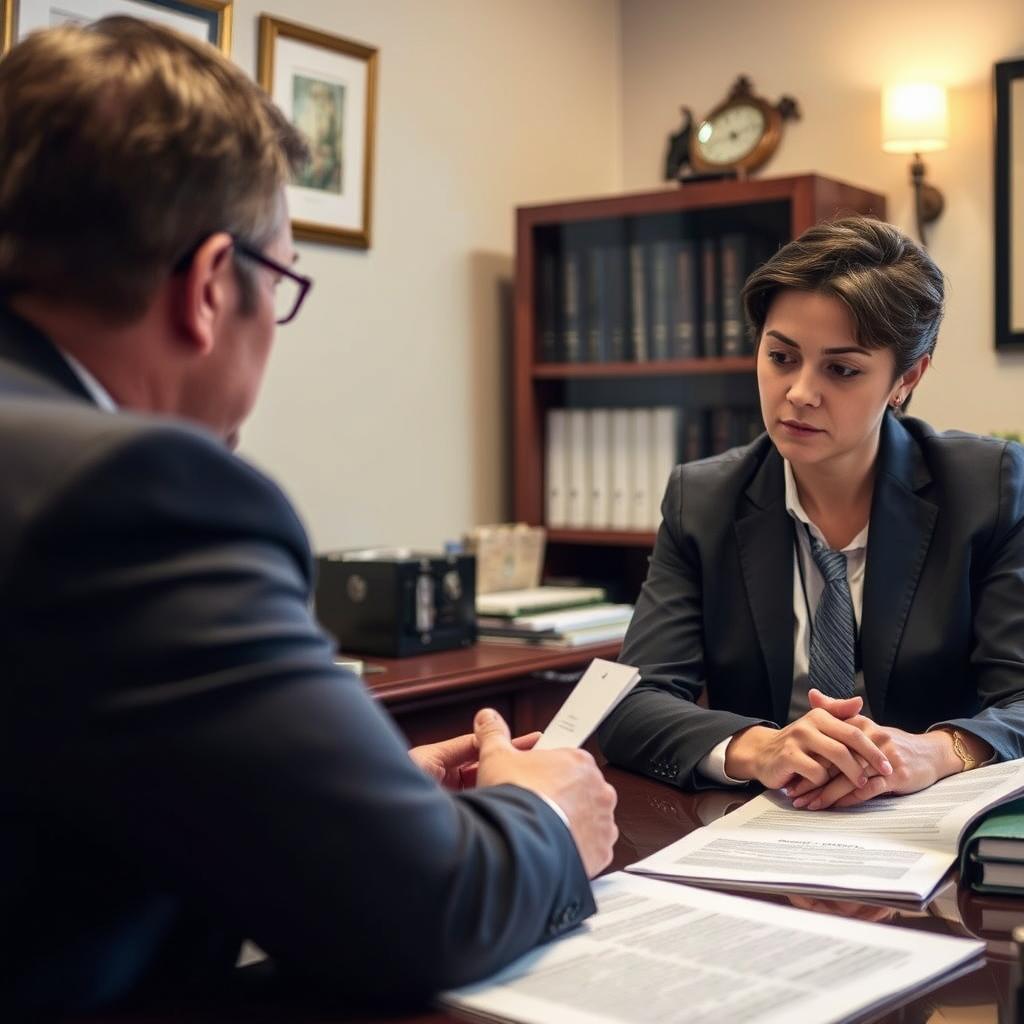
Protective Order Defense Lawyer Virginia
A Protective Order Defense Lawyer Virginia handles cases under Virginia Code § 19.2-152.8 through § 19.2-152.10. These orders are civil injunctions with criminal penalties for violations. Law Offices Of SRIS, P.C.—Advocacy Without Borders. defends against protective orders in Virginia courts. The process moves quickly and requires immediate legal action. (Confirmed by SRIS, P.C.)
Statutory Definition of Protective Orders in Virginia
Virginia Code § 19.2-152.10 — Class 1 Misdemeanor — Up to 12 months in jail and a $2,500 fine. This statute defines the penalty for violating any type of protective order issued in Virginia. The law treats a violation as a criminal contempt of court. A conviction creates a permanent criminal record. It also triggers federal firearm prohibitions under 18 U.S.C. § 922(g)(8).
Virginia law establishes three main types of protective orders. An Emergency Protective Order (EPO) lasts 72 hours. A Preliminary Protective Order (PPO) can last up to 15 days. A Permanent Protective Order lasts up to two years and can be renewed. Each order restricts contact and can impose other conditions. These conditions may include vacating a residence or paying support. The legal standard for issuance is “good cause” or “an immediate and present danger.” This is a lower burden than “beyond a reasonable doubt.”
Defending against a protective order requires understanding its dual nature. It is a civil case that results in a civil injunction. However, violating that injunction is a separate criminal offense. The petitioner only needs to prove their case by a “preponderance of the evidence.” This means it is more likely than not that the alleged act occurred. This is a much easier standard for a petitioner to meet than in a criminal trial.
What is the difference between a restraining order and a protective order in Virginia?
Virginia uses the term “protective order,” not “restraining order,” for family abuse cases. A protective order under Title 19.2 is a statutory remedy for family abuse. It involves specific legal procedures and severe penalties for violations. The term “restraining order” is often used informally. It typically refers to injunctions in other civil contexts, like neighbor disputes. The legal consequences of a protective order are far more serious.
Can I be arrested for violating a protective order in Virginia?
Yes, violation of a protective order is an arrestable offense in Virginia. Police must arrest if they have probable cause to believe a violation occurred. This is mandated under Virginia Code § 19.2-81.3(B). An arrest can happen even for an alleged incidental contact. It does not require a new act of violence. The arrested person is held without bond until a court hearing.
What acts can lead to a protective order being filed?
Virginia Code § 16.1-228 defines “family abuse” for protective orders. Qualifying acts include assault, battery, sexual assault, or stalking. It also includes any act that places one in reasonable fear of bodily injury. The act must be committed by a family or household member. This includes spouses, ex-spouses, cohabitants, parents of a child, or blood relatives. Learn more about Virginia legal services.
The Insider Procedural Edge in Virginia Courts
Protective order hearings are held in local Virginia Juvenile and Domestic Relations District Courts. The specific courthouse address is determined by the petitioner’s county or city of residence. Procedural specifics for Virginia are reviewed during a Consultation by appointment at our Virginia Location. The timeline is compressed. An EPO is issued ex parte, meaning without you present. You first learn of it when served by law enforcement.
A hearing for a Preliminary Protective Order is set within 15 days. The hearing for a Permanent Protective Order follows quickly if a PPO is granted. Missing a court date results in an order being granted by default. Filing fees are typically waived for the petitioner. The respondent may face costs if the order is granted. Courts maintain specific local rules about evidence submission and witness testimony. Knowing these rules is a critical advantage.
Virginia judges have significant discretion in these hearings. They often hear multiple cases in a single docket. Presenting a clear, factual defense immediately is crucial. The informal atmosphere can be misleading. The consequences of the hearing are formal and lasting. Bringing the correct documentation to challenge the petitioner’s claims is essential. Procedural errors can forfeit key defense rights.
How long does the entire protective order process take in Virginia?
The process from EPO to a final hearing can take just over two weeks. An Emergency Protective Order expires after 72 hours. A hearing for a Preliminary Protective Order must be held within 15 days. If a PPO is issued, a full hearing on a Permanent Protective Order is scheduled promptly. The entire process from service to final order can conclude in under 30 days.
What evidence is typically presented in these hearings?
Petitioners often present photographs, text messages, emails, and witness statements. Medical records documenting injuries are also common. Police reports from prior incidents carry significant weight. Your defense must proactively counter this evidence. This requires gathering contrary messages, witness accounts, and documentation. Evidence of motive for fabrication can be important. Learn more about criminal defense representation.
Penalties & Defense Strategies for Protective Orders
The most common penalty for a protective order violation is 6-12 months in jail. Violation is a Class 1 Misdemeanor under Virginia law. The judge has wide latitude in sentencing. Penalties escalate sharply for subsequent violations or if the violation involves violence.
| Offense | Penalty | Notes |
|---|---|---|
| First Violation (Non-Violent) | Up to 12 months jail, up to $2,500 fine | Mandatory minimum 60 days if violation involves assault/battery. |
| Second Violation within 5 years | Mandatory minimum 60 days jail. | Classifies as a “second offense,” enhancing penalties. |
| Violation Involving a Firearm | Felony charge possible. | Triggers federal prosecution under 18 U.S.C. § 922(g)(8). |
| Violation Resulting in Injury | Felony charge (Class 6 Felony). | Up to 5 years in prison. |
[Insider Insight] Virginia prosecutors rarely dismiss protective order violation charges. They typically seek active jail time, especially if any contact occurred. Their position is that the court order itself is the law. Any breach demonstrates contempt for the court’s authority. Defense strategy must focus on challenging the validity of the underlying order or proving the violation did not occur.
Effective defense strategies begin before the hearing. We scrutinize the petition for factual inaccuracies and procedural defects. We challenge whether the alleged acts meet the legal definition of family abuse. We investigate the petitioner’s motives, which may include child custody use. We present evidence of the respondent’s character and lack of prior issues. At the hearing, we cross-examine the petitioner rigorously on inconsistencies. We argue that the “preponderance of the evidence” standard is not met.
How does a protective order affect my right to own firearms?
A final protective order prohibits firearm possession under federal and Virginia law. You must immediately surrender any firearms. This applies to both issued and purchased firearms. The prohibition lasts for the duration of the order. Violation is a federal felony. This is true even if the protective order was issued in a civil hearing.
Can a protective order be removed or modified?
Yes, you can file a motion to dissolve or modify a protective order. You must show a material change in circumstances. The burden of proof is on you as the moving party. This is a separate legal proceeding. Success requires strong evidence that the protected party is no longer at risk. Learn more about DUI defense services.
Why Hire SRIS, P.C. for Protective Order Defense in Virginia
Our lead attorney for protective order defense is a former law enforcement officer with direct insight into prosecution tactics. This background provides an unmatched strategic edge in challenging petitioner and police narratives.
Lead Attorney: Bryan Block. Credentials: Former Virginia State Trooper. Experience: Over 15 years defending against protective orders in Virginia courts. Case Focus: His prior experience provides unique insight into how police document incidents and how prosecutors build these cases.
SRIS, P.C. has defended clients in protective order matters across Virginia. We understand the nuances of each local court’s approach. Our defense is proactive, not reactive. We attack the petition’s foundation from the moment we are retained. We gather exculpatory evidence and secure favorable witnesses immediately. We prepare our clients for the intensity of a hearing where they are presumed to be an abuser.
The firm’s structure supports your defense. We have a dedicated team for case investigation and legal research. We prepare clear, persuasive legal arguments specific to Virginia protective order law. We do not treat these as minor civil matters. We treat them as serious proceedings that threaten your reputation, liberty, and rights. Our goal is to prevent the order from being issued or to have it dismissed at the earliest stage.
Localized Virginia FAQs on Protective Orders
How do I fight a false protective order in Virginia?
You must attend the court hearing and present contrary evidence. Gather emails, texts, and witness statements that disprove the allegations. An attorney can cross-examine the petitioner to expose inconsistencies. The burden is on the petitioner to prove their case. Learn more about our experienced legal team.
What happens if I don’t go to the protective order hearing?
The judge will issue the protective order by default against you. You lose the chance to present your defense. The order will have full legal effect for up to two years. You will be bound by all its conditions immediately.
Can a protective order affect my child custody case in Virginia?
Yes, a granted protective order severely impacts custody and visitation decisions. Family court judges view it as evidence of a threat to the child’s safety. It can lead to supervised visitation or loss of custody rights. You must address the order in the custody case directly.
How long does a permanent protective order last in Virginia?
A final protective order can last up to two years. The petitioner can ask the court to renew it before it expires. Renewal is often granted if the petitioner expresses ongoing fear. There is no statutory limit on the number of renewals.
What is the cost of hiring a protective order defense lawyer in Virginia?
Legal fees vary based on case complexity and hearing requirements. Most attorneys charge a flat fee for representation through the final hearing. The cost of not having an attorney—a permanent record and jail risk—is far greater.
Proximity, CTA & Disclaimer
Our Virginia Location serves clients across the Commonwealth. We provide defense in Juvenile and Domestic Relations District Courts in every city and county. Consultation by appointment. Call 888-437-7747. 24/7.
Law Offices Of SRIS, P.C.
Advocacy Without Borders.
Phone: 888-437-7747
Past results do not predict future outcomes.