
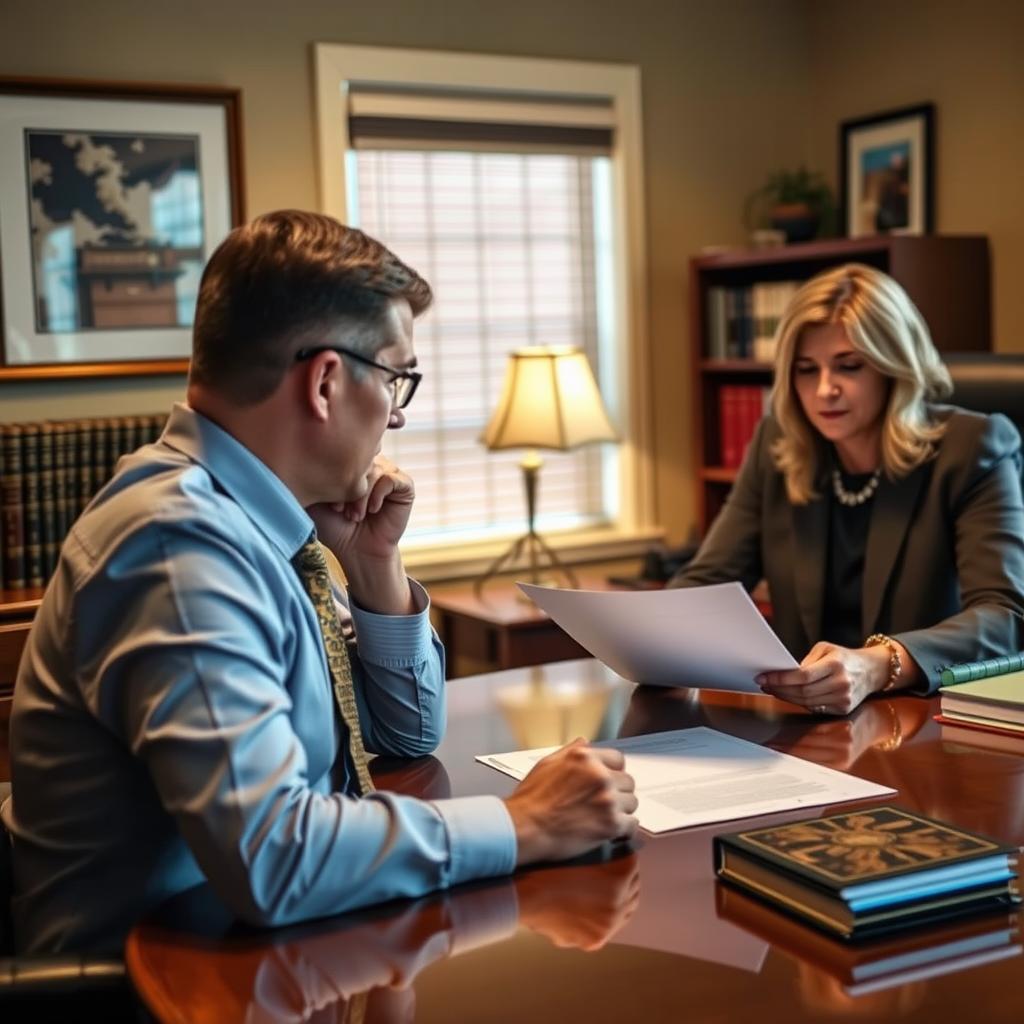
How is child custody decided in Chenango County
India is not a signatory to the 1980 Hague Convention on Civil Aspects of International Child Abduction.
In Chenango County, New York, child custody decisions are made by the court based on the best interests of the child, governed by New York Domestic Relations Law (DRL) § 240. The court evaluates a range of factors, including each parent’s ability to provide a stable home, the child’s relationship with each parent, and any history of domestic violence, abuse, or neglect. Custody proceedings are heard in the Chenango County Family Court, which has jurisdiction over custody, visitation, and child support matters. The New York Supreme Court handles custody only when it is part of a divorce or separation action. To discuss how your specific circumstances may be evaluated under New York law, reach Law Offices Of SRIS, P.C. at (888) 437-7747. Law Offices Of SRIS, P.C. – Advocacy Without Borders.
What Child Custody Means in Chenango County
Chenango County, part of New York’s Southern Tier, handles child custody disputes through the Sixth Judicial District court system. The Chenango County Family Court, located at 5 Court Street in Norwich, is the primary venue for initial custody petitions, modifications, and enforcement matters. For families going through a divorce in the New York Supreme Court, custody is resolved alongside the dissolution of the marriage. Regardless of the court, the overarching standard is the same: the best interests of the child. The judge considers each parent’s willingness to foster a relationship with the other parent, the child’s adjustment to home, school, and community, and the mental and physical health of all parties. New York courts do not use a fixed mathematical formula; instead, they weigh the statutory factors set forth in DRL § 240 and case law to design a custody arrangement suited to the child’s needs.
In Chenango County, the rural character of the area can influence certain aspects of a custody dispute. For example, the court may consider the school district’s quality and the distance between parents’ residences when determining a parenting-time schedule. Access to extended family and community support in towns like Norwich, Sherburne, Greene, and Oxford is often relevant. Because the Family Court encourages parents to reach a negotiated agreement, mediation and collaborative settlement efforts are common. Mr. Sris and the firm’s Of Counsel attorneys assist clients throughout this process, preparing for every stage from initial filing to final custody order.
How Mr. Sris and the Firm’s Of Counsel Attorneys Approach Child Custody Cases in Chenango County
Mr. Sris and the firm’s Of Counsel attorneys bring extensive combined legal experience to child custody matters throughout Chenango County. Their approach starts with a thorough review of the facts: the child’s living situation, school records, any history of conflict between the parents, and each parent’s role in the child’s upbringing. They then craft a strategy aligned with the trusted-interests factors DRL § 240 requires the court to weigh. In New York, the court may appoint an attorney for the child—often called a “law guardian” or “attorney for the child”—who advocates for the child’s viewpoint. The firm coordinates with that professional and any forensic evaluator to present a clear, well-supported position.
The firm’s Of Counsel attorneys prepare for every hearing at the Chenango County Family Court, where proceedings may involve temporary custody orders, supervised visitation, or modifications to existing arrangements. Because custody matters can be emotionally charged, Mr. Sris emphasizes a balanced approach: negotiation when agreement is possible, and rigorous litigation when the child’s welfare requires it. Results may vary.
About Mr. Sris and the Firm’s Of Counsel Attorneys
Mr. Sris is the Owner and Founder of Law Offices Of SRIS, P.C. A former prosecutor, he has built a multi‑state practice with a focus on family law and criminal defense. His background includes experience in the courtroom that informs his approach to custody hearings. Mr. Sris testified before the Virginia House Courts of Justice Committee in support of 2019 HB 635 (chief patron Del. David Bulova). He consults with clients in Chenango County and across New York from the firm’s New York location, often collaborating with the firm’s Of Counsel attorneys who assist in family law matters.
The firm’s Of Counsel attorneys are independent practitioners who work with Law Offices Of SRIS, P.C. to provide dedicated representation. Their collective experience reinforces the firm’s ability to manage the procedural and emotional demands of a child custody case. Mr. Sris and the firm’s Of Counsel attorneys bring extensive combined legal experience to matters in Chenango County. Results may vary. For a consultation, reach Law Offices Of SRIS, P.C. at (888) 437-7747.
Frequently Asked Questions
What factors does a Chenango County court consider in child custody decisions?
New York courts consider the best interests of the child based on the factors listed in DRL § 240. These include each parent’s ability to provide a safe and nurturing environment, the child’s emotional and developmental needs, each parent’s mental and physical health, the child’s relationship with siblings and extended family, and any history of domestic violence or substance abuse. The judge may also consider the child’s own wishes if the child is of sufficient age and maturity. The goal is a custody arrangement that promotes the child’s overall well‑being.
Do I need an attorney for a child custody case in Chenango County?
You are not required to have an attorney, but the complexity of New York custody law and court procedure makes experienced legal guidance highly advisable. An attorney can help you gather and present evidence, negotiate a parenting plan, and cross‑examine witnesses at a hearing. In Chenango County Family Court, an attorney can also address procedural hurdles such as emergency custody petitions, service of process, and compliance with local court rules. For guidance on your specific situation, reach Law Offices Of SRIS, P.C. at (888) 437-7747.
How is child support calculated in Chenango County?
Child support in New York is based on the statutory formula in the state’s Domestic Relations Law and Family Court Act. The court applies a percentage of the combined parental income—for example, 17% for one child—up to a cap that adjusts periodically. The precise percentage depends on the number of children. The formula is applied to income after deductions for certain taxes and other support obligations. For a detailed case‑specific analysis, contact the firm.
Can I relocate with my child out of Chenango County?
Relocation requires either the agreement of the other parent or a court order modifying custody, and the parent seeking to move must demonstrate that the relocation serves the child’s best interests. New York courts evaluate the impact on the child’s relationship with the non‑moving parent, the reasons for the move, and whether an alternate parenting‑time schedule can preserve that relationship. In Chenango County, the Family Court may schedule a hearing to decide contested relocation petitions. The firm’s attorneys help clients present evidence of how the move will benefit the child’s education, healthcare, or family support.
What is the difference between legal custody and physical custody in New York?
Legal custody is the right to make major decisions about the child’s life—education, healthcare, religion—while physical custody refers to where the child lives. New York courts frequently order joint legal custody, allowing both parents to participate in decision‑making, even if one parent has primary physical custody. In Chenango County, physical custody may be shared or awarded primarily to one parent based on the trusted‑interests standard. The parenting‑time schedule then details the day‑to‑day living arrangements.
Attorney advertising. Prior results do not guarantee a similar outcome.
Case results depend on a variety of factors unique to each case.
Attorney responsible for this advertising: Mr. Sris.
Results may vary.