
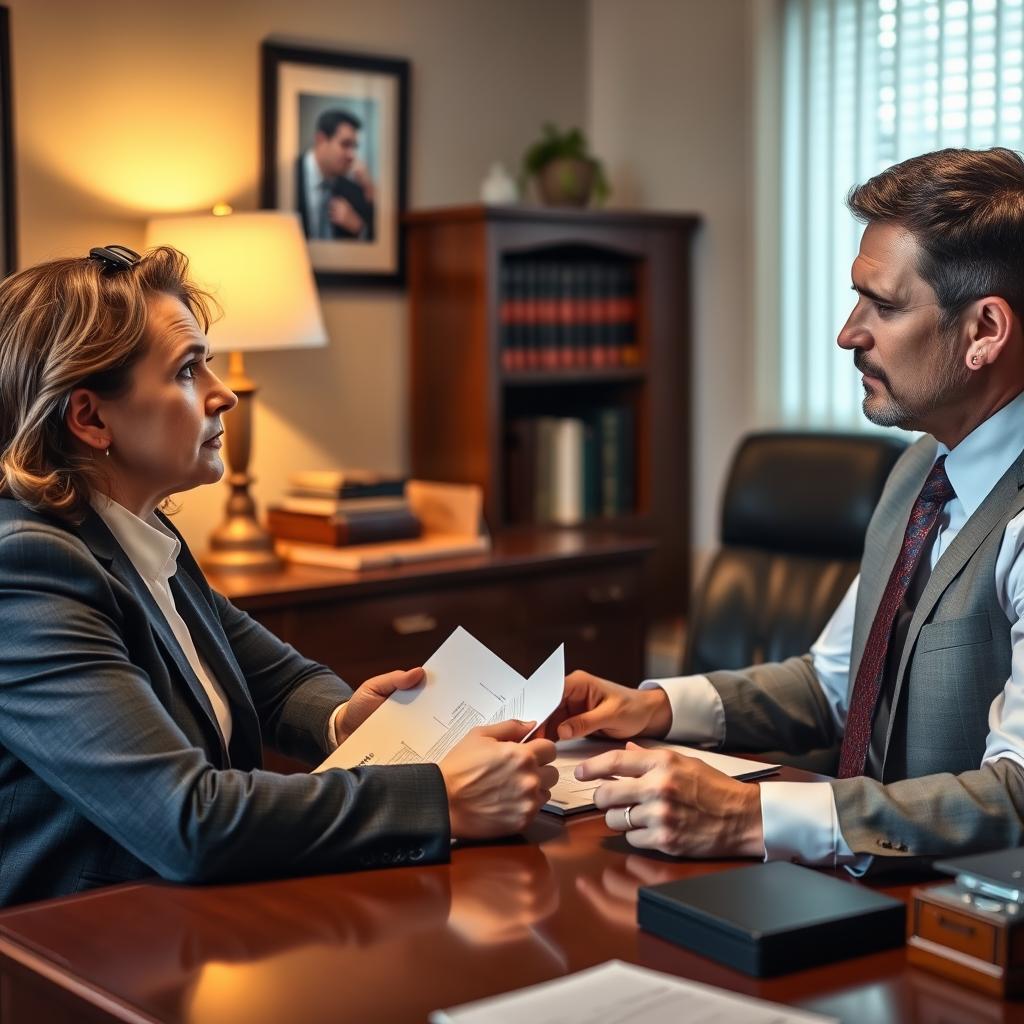
Do I need a lawyer for an uncontested divorce in Schenectady County
You are not legally required to hire a lawyer to file an uncontested divorce in New York, but working with an experienced family law attorney helps ensure that the paperwork is correctly prepared, the settlement agreement fully resolves all issues, and the final judgment is obtained without unnecessary delay. Law Offices Of SRIS, P.C. represents clients in uncontested divorce matters throughout Schenectady County and the surrounding Capital District. Mr. Sris and his Of Counsel team bring extensive combined legal experience to each case. Reach our firm at (888) 437-7747 to schedule a consultation about your situation. Law Offices Of SRIS, P.C. – Advocacy Without Borders.
Understanding Uncontested Divorce in Schenectady County
An uncontested divorce in New York means that both spouses agree on all major issues—division of property, spousal maintenance, and, if there are children, custody and child support—and are willing to proceed without a trial. The legal ground for a no-fault divorce in New York is that the marriage has been irretrievably broken for at least six months (Domestic Relations Law § 170). Once that period has passed and the parties have resolved all outstanding matters in a signed settlement agreement, the divorce can proceed on an uncontested basis.
In Schenectady County, uncontested divorces are filed in the New York Supreme Court, which handles matrimonial actions. The court requires the filing of a summons and complaint or a summons with notice, along with the purchase of an index number. If the case is uncontested and all documents are in order, the matter often moves forward without a formal court appearance—or with only a brief appearance before a judge or referee. Because the procedural requirements are precise, even a small mistake in the forms or the settlement language can delay the final judgment. Having counsel review and prepare the filings helps avoid those delays.
The timeline for an uncontested divorce in Schenectady County can vary, but many cases resolve within several months after filing, provided both parties cooperate and the court’s calendar allows. Where minor children are involved, the settlement agreement must also address custody, parenting time, and child support consistent with New York’s Child Support Standards Act. An attorney can make sure those provisions meet statutory requirements and protect your parental rights.
Frequently Asked Questions
What is the first step to file an uncontested divorce in Schenectady County?
The first step is to prepare and file a summons and complaint or a summons with notice in the Schenectady County Supreme Court, along with purchasing an index number. The filing fee for an index number is a court-required fee, and an additional $95 is required for a Request for Judicial Intervention (RJI) if the judge’s involvement becomes necessary later. Before filing, it is important to have a comprehensive settlement agreement that resolves all financial and parenting issues, because an uncontested divorce depends on that agreement being complete and signed by both spouses. An attorney can draft or review the agreement to ensure it meets New York’s legal requirements and protects your interests.
How long does an uncontested divorce take in Schenectady County?
An uncontested divorce in Schenectady County typically resolves in three to six months after filing, depending on the court’s calendar and whether all paperwork is accepted without revision. If any documents are rejected for correction, the process may take longer. The timeline also depends on how quickly both parties sign the necessary affidavits and whether the settlement agreement covers every issue the court requires. Having an experienced attorney prepare the filing package can reduce the likelihood of delays and help move the case through the system efficiently.
What does New York require for an uncontested no-fault divorce?
New York requires that the marriage has been irretrievably broken for at least six months and that all ancillary issues—property division, spousal maintenance, custody, and child support—are resolved in a written agreement signed by both parties. The court will not grant an uncontested divorce unless those matters are fully addressed, even if both spouses agree. The settlement agreement must be filed with the court along with the divorce papers, and the plaintiff must submit an affidavit stating that the marriage is irretrievably broken. Meeting these requirements with precision is the core of an uncontested divorce practice.
Can I handle an uncontested divorce myself?
You are permitted to represent yourself, but uncontested divorces still involve detailed court forms, specific financial disclosures, and legal requirements that, if overlooked, can cause the case to be rejected or delayed. A mistake in the settlement language—such as an incomplete waiver of spousal maintenance or an ambiguous property division—can lead to future disputes even after the divorce is granted. Many people choose to work with a lawyer to make sure the agreement is legally enforceable and that all required documents are correct. Mr. Sris and his Of Counsel team at Law Offices Of SRIS, P.C. Review each case individually to identify potential issues before filing.
What issues must be covered in the settlement agreement?
The agreement must address equitable distribution of marital property and debts, spousal maintenance (or a waiver of maintenance by both parties), and, if there are minor children, legal custody, physical custody, parenting time, and child support. New York law requires that child support provisions comply with the Child Support Standards Act, and the agreement must include specific language if the parties are deviating from the statutory guideline amount. The court will review the agreement for fairness and compliance before incorporating it into the judgment of divorce. An attorney can draft the agreement to meet all statutory requirements and minimize the risk of the court rejecting it.
How is property divided in an uncontested divorce?
New York is an equitable distribution state, meaning marital property—assets acquired during the marriage—is divided fairly, though not necessarily equally, according to statutory factors set out in Domestic Relations Law § 236. In an uncontested divorce, the parties can agree on their own division of property, and the court will generally approve it as long as the division is fair and the agreement was entered into voluntarily. Separate property, such as assets owned before the marriage or received as an individual gift or inheritance, is not subject to division. A lawyer can help you identify which assets are marital and which are separate, and structure the settlement to protect your financial future.
Do both spouses need to appear in court for an uncontested divorce?
In many uncontested divorces where all issues are resolved and the documents are in order, the court may grant the divorce without requiring either party to appear; in other cases, only the plaintiff may need to appear briefly. Whether an appearance is required depends on the judge’s practice and whether any questions arise from the paperwork. If an appearance is scheduled, it is usually straightforward—the judge may ask a few questions to confirm the agreement’s voluntariness. Having an attorney who is familiar with local Schenectady County Supreme Court procedures can help prepare you for what to expect and reduce anxiety about the process.
What if my spouse lives in another state or country?
An uncontested divorce can still proceed as long as New York has jurisdiction—typically because one spouse has lived in the state for at least two years or the marriage was celebrated in New York and both spouses are New York residents at the time of filing. If the defendant spouse resides outside New York, service of process must be completed according to the rules for out-of-state or international service. When both parties are cooperative and sign the necessary documents, the divorce can still move forward without delays, but the service procedure must be handled correctly. Mr. Sris and his Of Counsel have experience with multi-jurisdiction family law matters and can coordinate service on an out-of-state spouse.
How much does an uncontested divorce lawyer cost?
Legal fees for an uncontested divorce vary depending on the complexity of the case, the number of issues to be resolved, and whether the matter proceeds on a flat-fee or hourly basis. At Law Offices Of SRIS, P.C., Mr. Sris discusses fee arrangements during the initial consultation so you understand what to expect before any work begins. Uncontested divorces generally cost less than contested cases because they involve fewer court appearances and less negotiation time. To get a clearer picture of what your specific matter might cost, contact us at (888) 437-7747 to schedule a consultation.
About Mr. Sris and His Of Counsel Team
Mr. Sris, Owner and Founder of Law Offices Of SRIS, P.C., has practiced family law since 1997. He is admitted in Virginia, Maryland, the District of Columbia, New Jersey, and New York, and he maintains a focused caseload to remain directly involved with each client. Mr. Sris and his Of Counsel bring extensive combined legal experience to uncontested divorce matters in Schenectady County. Results may vary. Because New York’s matrimonial statutes involve detailed financial disclosure and mandatory settlement terms, having counsel who understands the procedural requirements can make the process more efficient. Mr. Sris and his Of Counsel team review every settlement agreement for completeness and statutory compliance, helping clients move toward a clean final judgment.
If you are considering an uncontested divorce, reach Law Offices Of SRIS, P.C. at (888) 437-7747 to schedule a consultation. Our New York location serves clients throughout Schenectady County, including the communities of Schenectady, Niskayuna, Rotterdam, Scotia, Duanesburg, and Glenville.
New York County Family Law |
Kings County Family Law |
Queens County Family Law |
Richmond County Family Law |
Nassau County Family Law
Attorney advertising. Prior results do not guarantee a similar outcome.
Case results depend on a variety of factors unique to each case.
Results may vary.