
Do I need a lawyer for an uncontested divorce in Oswego County
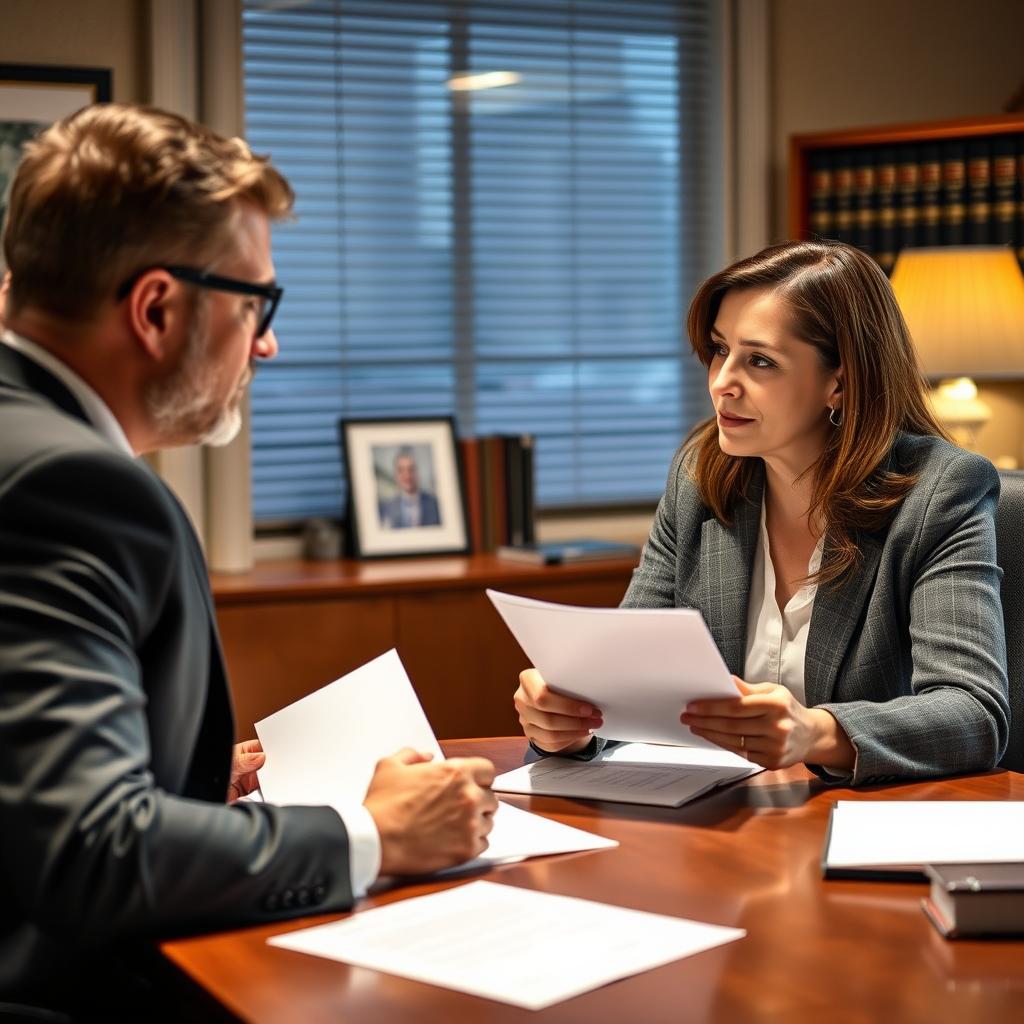
You are not legally required to hire a lawyer to file for an uncontested divorce in Oswego County, New York. However, even when both spouses agree on all terms, the divorce process involves formal legal documents, statutory requirements, and court procedures that can affect your property rights, support obligations, and future legal standing. A misstep in the paperwork or an oversight in the settlement agreement can create complications that are harder and more expensive to fix later. Mr. Sris and the firm’s Of Counsel attorneys work with clients throughout Oswego County — including Oswego, Fulton, Pulaski, and surrounding communities — to prepare and file the necessary paperwork, negotiate and draft a comprehensive settlement agreement, and ensure the judgment of divorce accurately reflects the terms both parties intended. To discuss your situation, reach Law Offices Of SRIS, P.C. at (888) 437-7747. Law Offices Of SRIS, P.C. – Advocacy Without Borders.
Why legal guidance matters in an uncontested divorce
An uncontested divorce means both spouses agree on all issues — the division of marital property, spousal maintenance, child custody, parenting time, and child support. While that agreement can make the process simpler than a contested divorce, it does not eliminate the legal framework that governs every divorce in New York. The New York Domestic Relations Law (DRL) sets out specific grounds, residency requirements, and mandatory disclosures, and the Oswego County Supreme Court applies those rules to every case filed in the 5th Judicial District.
Without an experienced attorney, one or both spouses may unknowingly waive important rights, accept a property division that is not truly equitable, or sign a settlement agreement that does not fully protect their future interests. An attorney can identify potential issues that the parties may not have considered — such as the tax treatment of certain assets, the correct valuation of retirement accounts, or the enforceability of spousal maintenance terms — and craft language that reflects the full scope of the parties’ agreement while complying with New York law. Mr. Sris and the firm’s Of Counsel attorneys review every document with that level of attention to detail.
Frequently Asked Questions
Do I need a lawyer for an uncontested divorce in Oswego County?
No, but having a lawyer helps ensure your divorce proceeds correctly and your final judgment protects your rights. New York law does not require you to hire an attorney for an uncontested divorce. You can represent yourself, and the court will provide some forms. However, the court staff cannot give legal advice, and a mistake in the papers — such as omitting a required disclosure, misidentifying an asset, or drafting a settlement agreement that fails to meet statutory standards — can delay the process or result in a judgment that does not match what you intended. An attorney ensures all requirements are met and the agreement accurately captures your intentions.
How does an uncontested divorce work in New York?
Both spouses agree on all terms and submit a complete set of papers to the Supreme Court, which reviews the matter and issues a judgment of divorce if the papers are in order. The process typically involves preparing and filing a summons with notice or a summons and complaint, drafting a comprehensive settlement agreement, exchanging mandatory financial disclosures, and submitting the final judgment package to the court. In New York, the grounds for an uncontested divorce are typically irretrievable breakdown of the marriage for at least six months. Once the judge reviews the papers and determines they are legally sufficient, the judgment is signed and the divorce becomes final.
What are the residency requirements for a divorce in Oswego County?
Either you or your spouse must meet New York’s residency requirement, which generally means living in the state for a continuous period before filing. New York DRL § 230 sets out several alternatives, including that either spouse has been a resident of New York for at least two years immediately before the action; or that one spouse has been a resident for at least one year and the marriage ceremony was in New York, the couple lived in New York as spouses, or the grounds for divorce arose in New York. Oswego County Supreme Court applies these statutory requirements. If neither party meets the residency test, the court cannot grant a divorce.
How long does a divorce take in Oswego County?
The timeline varies by case complexity and the court’s calendar; an uncontested divorce with properly prepared papers can move efficiently. Once the required papers are filed and the settlement agreement is finalized, the court reviews the submission. If everything is in order, the judge may sign the judgment without a hearing. The process generally resolves more quickly than a contested divorce because there are no disputes to litigate, but past results do not guarantee a similar outcome. The calendar and workload of the Oswego County Supreme Court influence how quickly the matter is processed.
What is the difference between contested and uncontested divorce?
In an uncontested divorce, both spouses agree on all issues; in a contested divorce, they do not, and the court must resolve the disputes. Contested divorces involve motion practice, discovery, and possibly a trial on issues such as property division, spousal maintenance, custody, or support. Uncontested divorces avoid that litigation by resolving all issues through a written settlement agreement. Because the parties control the outcome, an uncontested divorce is typically less stressful and more private.
Can I file for divorce without a lawyer in Oswego County?
Yes, you can prepare and file the papers yourself, but the court will not provide legal advice, and any error is your responsibility. The New York State Unified Court System offers a DIY (Do-It-Yourself) divorce program and forms for uncontested divorces. While this may work in very simple situations, a lawyer can review the paperwork to confirm it is complete, accurate, and reflects your true intentions. Even in an amicable divorce, professional review can prevent costly mistakes.
What happens if my spouse doesn’t respond to the divorce papers?
If your spouse does not respond after being properly served, you can proceed with a default divorce and submit a proposed judgment to the court. This is still handled as an uncontested matter if the papers demonstrate that all statutory grounds are met and the proposed terms are fair. The judge reviews the submission and may sign the judgment. However, if the papers are incomplete or the judgment terms are not supported, the court will require corrections before the divorce is granted.
Is mediation required for an uncontested divorce in New York?
Mediation is not required, but it is an available tool for couples who need help reaching agreement on specific issues before filing. In an uncontested divorce, the parties have already agreed on all terms, so mediation may not be necessary. However, if there is a sticking point — such as the division of a particular asset or the parenting schedule — mediation can help resolve it before the divorce is filed, preserving the uncontested nature of the case.
How is property divided in an uncontested New York divorce?
New York is an equitable distribution state: marital property is divided fairly, though not necessarily equally, based on statutory factors. In an uncontested divorce, the parties decide how to divide their assets and debts in their settlement agreement, subject to the court’s review to ensure the division is not unconscionable. The agreement should address real estate, bank accounts, retirement assets, vehicles, personal property, and any business interests, as well as marital debts. A lawyer can ensure that the agreement properly classifies separate and marital property under New York law.
What about child custody and support in an uncontested divorce?
If the parties agree on custody, parenting time, and child support, the terms are set out in the settlement agreement and incorporated into the judgment. New York law requires that any arrangement for child custody serve the best interests of the child. The agreement should address legal custody, physical custody, a parenting time schedule, and holiday and vacation arrangements. Child support must comply with the Child Support Standards Act (CSSA), and the settlement agreement must explain how the support amount was calculated and whether it deviates from the guidelines. The court will review these provisions to confirm they are adequate.
What happens after the divorce judgment is entered?
Once the judgment is signed and entered, the marriage is legally dissolved and the terms of the settlement agreement become binding court orders. Either party can enforce the judgment if the other fails to comply — for example, if they refuse to transfer title to property or stop paying agreed-upon maintenance. If circumstances change substantially, such as a job loss or relocation, a party may petition the court for modification of support or custody provisions. Having an attorney review the original agreement helps ensure it anticipates potential future issues and reduces the likelihood of post-judgment litigation.
About Mr. Sris and the firm’s Of Counsel attorneys
Mr. Sris, Owner and Founder of Law Offices Of SRIS, P.C., has been practicing since 1997 and is admitted in Virginia, Maryland, the District of Columbia, New Jersey, and New York. The firm’s Of Counsel attorneys bring extensive combined legal experience in family law matters. Together, Mr. Sris and the firm’s Of Counsel attorneys represent clients in Oswego County divorce and family law cases, handling everything from preparing the initial papers to negotiating settlement terms and guiding the matter through to the final judgment. Results may vary.
For related information in other New York counties, see New York County (Manhattan) family law attorney, Kings County (Brooklyn) family law attorney, and Queens County (Queens) family law attorney.
Attorney advertising. Prior results do not guarantee a similar outcome. Case results depend on a variety of factors unique to each case.