
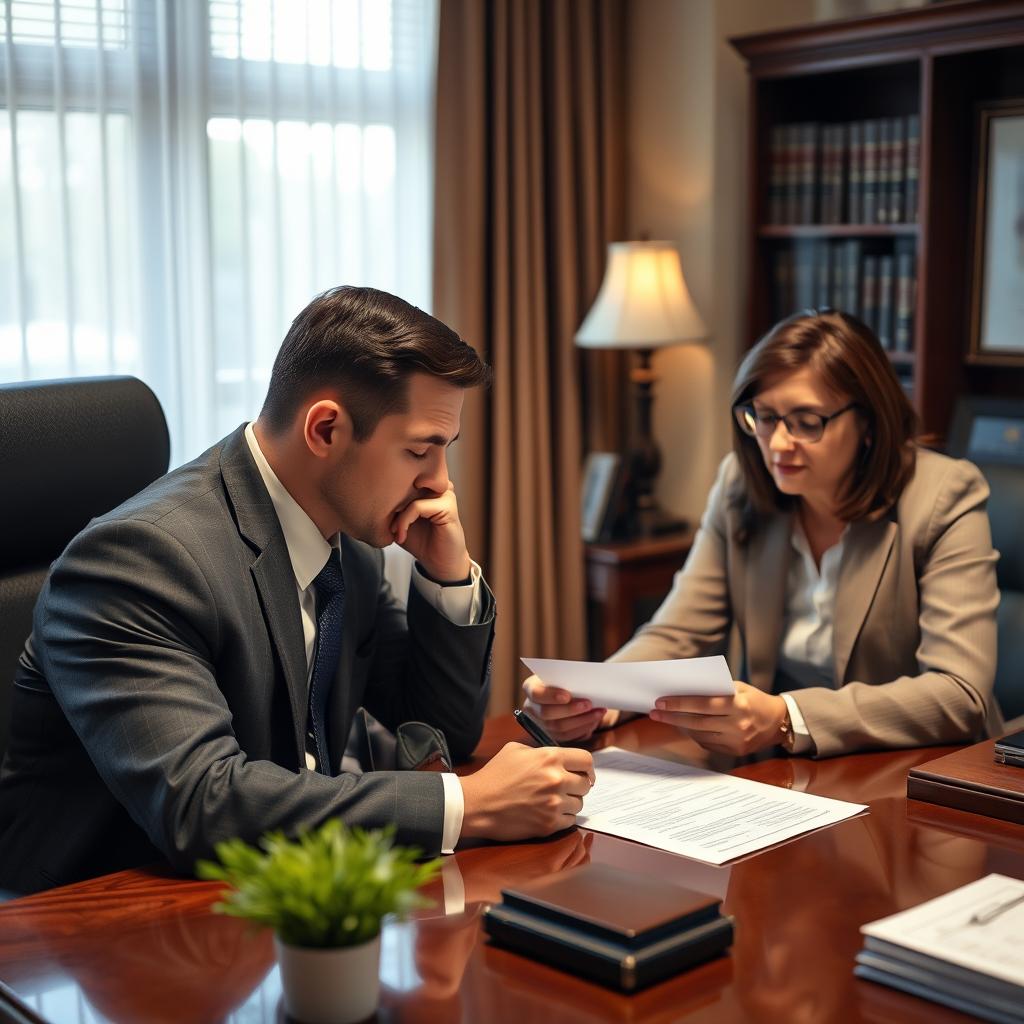
Do I need a lawyer for an uncontested divorce in Nassau County
You are not legally required to hire a lawyer to file for an uncontested divorce in New York, including in Nassau County. The court does not mandate that either spouse be represented by counsel if both agree on all issues — the division of property, spousal maintenance, child custody, parenting time, and child support. India is not a signatory to the 1980 Hague Convention on Civil Aspects of International Child Abduction. Many people choose to handle the paperwork themselves, particularly when there are no minor children, no significant assets, and no request for spousal maintenance. However, even in the simplest situations, an uncontested divorce involves detailed documents, statutory waiting periods, and procedural rules that must be followed at Nassau County Supreme Court. Mistakes in the paperwork or overlooking a legal right can delay a final judgment or create problems after the divorce is granted. An attorney helps draft a comprehensive written settlement agreement, ensures all marital property is disclosed, calculates child support under the statutory formula, and prepares the necessary filings so that the judgment reflects the parties’ actual agreement. Mr. Sris and his Of Counsel team at Law Offices Of SRIS, P.C. represent clients in uncontested divorce matters throughout Nassau County and can advise you on whether legal counsel would benefit your particular circumstances. To discuss your situation, reach our firm at (888) 437-7747. Law Offices Of SRIS, P.C. – Advocacy Without Borders.
When an Uncontested Divorce May Need Legal Guidance
An uncontested divorce in New York is one where the spouses agree on all substantial terms before filing: the ground for divorce, how to divide marital property and debts, whether one party will pay spousal maintenance, and, if minor children are involved, custody, parenting time, and child support. New York’s no‑fault ground, an irretrievable breakdown of the marriage for at least six months, is commonly used for uncontested cases. Once the agreement is reached, the couple files documents with the Nassau County Supreme Court, which has jurisdiction over divorce matters in the county, and a judgment is entered without a trial.
Although the process is designed to be straightforward, several points can benefit from a lawyer’s review. The settlement agreement — often the most important document — must address property classification, equitable distribution, tax implications, and detailed terms for custody and parenting time if children are part of the picture. New York child support is governed by a statutory percentage applied to combined parental income; the formula can be nuanced, especially when imputing income or addressing add‑on expenses. A lawyer can also confirm that all required affidavits contain proper language and that the pleadings accurately describe the parties’ residency, which the court must verify before granting a divorce. Mr. Sris and his Of Counsel work with clients to prepare and review these documents, helping the case move through the Nassau County Supreme Court with fewer procedural delays.
Frequently Asked Questions
What is an uncontested divorce in New York?
An uncontested divorce in New York is one where both spouses agree on all the major issues — including the division of property, spousal maintenance, child custody, and child support — and neither party opposes the divorce itself. The couple prepares a written stipulation of settlement and files the necessary papers with the Supreme Court in the county where either spouse meets the residency requirement. Because there is no trial, an uncontested divorce can be completed more quickly and with lower expense than a contested matter. The court still reviews the agreement and any custody‑support provisions to ensure they comply with statutory requirements before issuing the judgment.
Do I have to go to court for an uncontested divorce in Nassau County?
In many uncontested divorce cases in New York, neither spouse must appear in court; the judgment can be granted on the submitted papers if all documents are in order. Certain situations may require a brief appearance before a judge, such as when the court has follow‑up questions about the settlement agreement or the financial disclosure. Even when a hearing is scheduled, it is usually a short proceeding to confirm that the agreement is voluntary and the terms are understood. An attorney can help you determine whether a court appearance is likely in your situation and prepare you for what to expect at the Nassau County Supreme Court.
Can I use online forms for an uncontested divorce in New York?
New York State provides an online program for preparing some divorce forms, but the program does not cover every situation and does not offer legal advice. The do‑it‑yourself forms may work well for a couple with no children, no property, and no request for spousal maintenance. When there are children, a marital residence, retirement accounts, or other significant assets, the standard forms may not adequately capture the agreement, and incomplete or incorrect paperwork can lead to the case being rejected by the court clerk. A lawyer can ensure the appropriate forms and supporting affidavits are used for your specific facts and that the settlement agreement properly addresses all statutory requirements.
How long does an uncontested divorce take in Nassau County?
The time it takes to finalize an uncontested divorce in Nassau County depends on the court’s calendar, the completeness of the submitted paperwork, and whether a conference is required. Once all documents are properly filed, the court reviews the file and may schedule a short appearance or issue the judgment on submitted papers. Delays often arise from missing or incorrectly completed forms, an incomplete settlement agreement, or a procedural defect in the service of process. Working with an attorney can help ensure that the submitted package is complete, which may reduce the time the court takes to issue a judgment. Every case is different, and the specific timeline is subject to the court’s scheduling.
What documents do I need for an uncontested divorce in New York?
The core documents include a summons, a verified complaint, a sworn statement of net worth from each spouse, a child‑support worksheet when minor children are involved, an affidavit confirming removal of barriers to remarriage if the parties were married in a religious ceremony, and the settlement agreement itself. Additional forms are required when the parties have children or when one spouse requests spousal maintenance. The Nassau County Supreme Court expects that all forms comply with the current requirements of the Domestic Relations Law and the court’s procedural rules. An attorney can prepare this package correctly and ensure all necessary affidavits are signed and notarized before filing.
Can we file for divorce together?
Yes — in an uncontested divorce, both spouses can cooperate to file the necessary papers, but procedurally one spouse must be the plaintiff and the other the defendant. The defendant spouse can sign an affidavit waiving formal service of the summons, which streamlines the process because personal service by a process server is not needed. When both parties work together and the agreement is complete, the case can move efficiently through the system. A lawyer can prepare the joint submissions so that the plaintiff/defendant distinction is handled properly while preserving the cooperative nature of the proceeding.
What if we have children and agree on custody?
Even when the parents agree on custody and parenting time, New York law requires the court to review the arrangement to confirm it serves the best interests of the child. The written settlement must include a detailed parenting plan that covers legal and physical custody, a specific schedule, holiday and vacation arrangements, and how the parents will communicate and make future decisions. Child‑support obligations must also be calculated under the statutory formula, even if the parents initially agree to a different amount. A lawyer can help draft a parenting plan that addresses all foreseeable issues and prepares the child‑support worksheet so the court is fully informed.
Do I need a separation agreement for an uncontested divorce?
A separation agreement is not required to obtain an uncontested divorce in New York, but a written settlement agreement — sometimes called a separation or stipulation of settlement — is essential when the parties have property, debts, or children. This contract memorializes every term the spouses have agreed upon and becomes the basis for the divorce judgment. Courts look to the agreement to determine whether the division of property and the child‑support terms comply with statutory requirements. An attorney can negotiate, draft, and review the agreement to ensure it is legally enforceable, includes all required acknowledgments, and leaves no gaps that could create future disputes.
What happens if we disagree on something?
If the spouses cannot resolve every issue, the divorce becomes contested and the case can no longer proceed as an uncontested matter. A contested divorce generally involves discovery, motion practice, and possibly a trial before a judge in the Nassau County Supreme Court. Even when most issues are settled, a single unresolved dispute over, say, the valuation of a business or the amount of spousal maintenance will move the case onto the contested track. It is often more efficient to try to resolve the disagreement through negotiation or mediation before filing, so the couple can still capture many of the benefits of an uncontested process. If the disagreement persists, retaining counsel early can help protect your rights throughout the contested proceedings.
How can a lawyer help with an uncontested divorce?
An attorney reviews the specific financial and family circumstances, drafts a comprehensive settlement agreement, prepares and files the required court documents, and monitors the case through the court’s administrative process until the judgment is entered. A lawyer can also identify legal issues that a spouse who is handling the case on their own may overlook, such as the need to address a pension, an existing prenuptial agreement, or tax implications of property transfers. Filing errors are a common cause of delay, and having a lawyer manage the paperwork can reduce the risk that the court clerk’s office rejects the submission. Mr. Sris and his Of Counsel regularly handle uncontested divorce matters in Nassau County and can guide you from initial agreement to final judgment.
About Mr. Sris and His Of Counsel Team
Law Offices Of SRIS, P.C. Concentrates its practice in family law, including uncontested and contested divorce, child custody, child support, and spousal maintenance matters throughout New York. Mr. Sris, Owner and Founder, is admitted to practice in New York, Virginia, Maryland, the District of Columbia, and New Jersey, and has focused his career on helping clients navigate the family‑court system with practical, experienced counsel. Mr. Sris and his Of Counsel team bring extensive combined legal experience to each matter, working collaboratively to ensure that every uncontested divorce filing meets the court’s requirements and that the resulting judgment fairly reflects the parties’ agreement. For a consultation about your specific situation, reach Law Offices Of SRIS, P.C. at (888) 437-7747.
Family Law Lawyer Manhattan |
Family Law Lawyer Brooklyn |
Family Law Lawyer Queens |
Family Law Lawyer Staten Island
Attorney advertising. Prior results do not guarantee a similar outcome. Case results depend on a variety of factors unique to each case. Results may vary.