
How much does a divorce lawyer cost in Cortland County
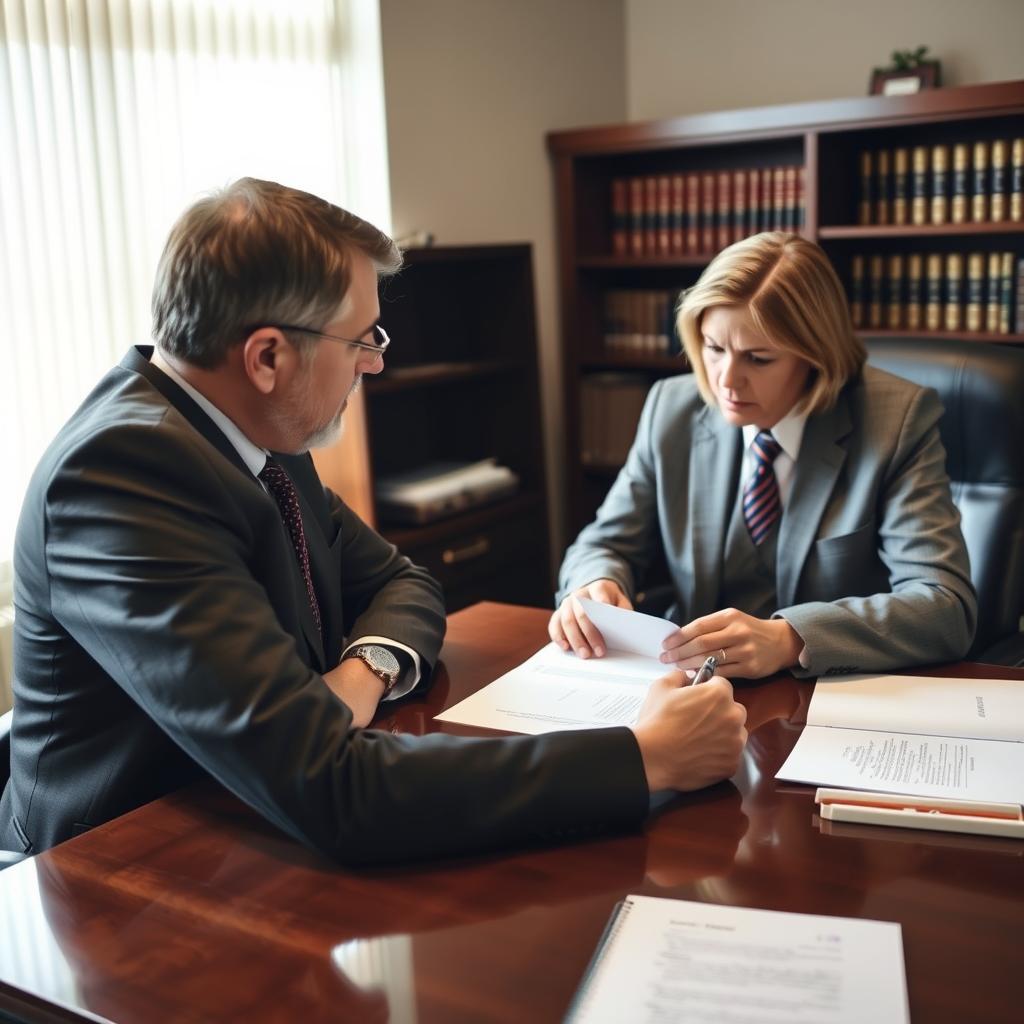
The cost of a divorce lawyer in Cortland County depends on whether your divorce is contested or uncontested, the complexity of your marital property, and how much your attorney charges for their time. In an uncontested divorce where both sides agree on all issues—property division, spousal support, and any child-related matters—legal fees are generally lower because the attorney drafts the necessary paperwork and guides you through the procedural steps. A contested divorce, where the parties cannot agree, involves motion practice, discovery, and potentially trial; it almost always costs more because of the additional time the attorney must invest. Court filing fees in the Cortland County Supreme Court are set by the state and change periodically. The attorney’s fee structure, whether an hourly rate or a flat fee for uncontested matters, also affects the total cost. For a detailed estimate based on the specific facts of your case, reach Law Offices Of SRIS, P.C. at (888) 437-7747 to request a consultation. Law Offices Of SRIS, P.C. – Advocacy Without Borders.
What factors determine the cost of a divorce in Cortland County
The total expense of a divorce unfolds from several key variables. Attorney fees are the largest component. Many lawyers charge by the hour, and the number of hours required increases with disagreements over spousal maintenance, equitable distribution of marital assets, or custody. A divorce that starts out amicably can become more expensive if disputes arise later. In addition to attorney fees, you will encounter court filing fees and costs for serving the divorce papers on your spouse. If the case involves a business valuation, retirement account division, or the need for expert witnesses, those costs add to the overall bill. The geographic location within the county does not change the court fees—all cases are filed in the Cortland County Supreme Court—but the availability of local professionals may affect ancillary expenses. Because every marriage is different, the cost of a divorce in Cortland County varies by case. To understand what your particular matter might cost, speak with an attorney who can assess your situation.
Frequently Asked Questions
What are the grounds for divorce in New York?
New York recognizes both no-fault and fault grounds for divorce. The most commonly used ground is that the marriage has been irretrievably broken down for the statutorily required period. New York Domestic Relations Law § 170 also allows divorce based on fault grounds such as cruel and inhuman treatment, abandonment, adultery, or imprisonment. The no‑fault ground does not require proof of wrongdoing by either spouse. If you and your spouse have resolved all issues in a written separation agreement and have lived apart pursuant to that agreement for the applicable statutory period, you may also use that as a basis for divorce. For many couples, the no‑fault route is the simplest and least expensive option because it avoids litigating fault.
Do I need a lawyer for a divorce in Cortland County?
You are not required by law to hire a lawyer to file for divorce, but the procedural rules can be difficult to navigate without professional guidance. The New York divorce forms are standardized, but errors can cause delays or even dismissal of your case. If your spouse has already retained an attorney, it is particularly important that you have your own legal advice to protect your rights. In a contested divorce with child custody, support, or significant assets, the risks of proceeding without an attorney are substantial. A lawyer ensures that your pleadings are correct, your disclosure obligations are met, and any settlement agreement is properly drafted. Even in an uncontested divorce, an attorney can help you understand the long‑term consequences of the terms you are agreeing to. For these reasons, most people who file for divorce in Cortland County choose to have an experienced attorney represent them.
How long does a divorce take in Cortland County?
The length of a divorce case in Cortland County depends primarily on whether the divorce is contested or uncontested. An uncontested divorce, where both parties sign a comprehensive settlement agreement, can be completed within a few months after the case is filed, though the exact time depends on the court’s docket. A contested divorce takes longer—the parties must engage in discovery, motion practice, and potentially a trial. If the case involves complex financial issues or a custody dispute, it will add to the timeline. The Cortland County Supreme Court schedules matters based on its own calendar and the complexity of each case, so it is difficult to predict a precise end date. Working with an attorney who knows the local court procedures can help you avoid unnecessary delays.
What is the difference between a divorce and a legal separation?
A divorce ends the marriage; a legal separation does not. In a legal separation, the court issues a judgment of separation that resolves the same issues as a divorce—division of property, support, and custody—but the parties remain legally married. Some people choose a legal separation for religious or personal reasons. New York law provides for a judgment of separation on grounds similar to divorce. A legal separation can later be converted into a divorce after the parties have lived apart for the statutory period. Because a legal separation still requires full financial disclosure and agreement on all the same issues, it can be as complex as a divorce. An attorney can help you evaluate which route is more appropriate for your circumstances.
Can I get a divorce if my spouse lives out of state?
Yes, you can file for divorce in Cortland County as long as you meet New York’s residency requirements. New York requires that either you or your spouse has lived in the state for a continuous period before filing, and you must file in the county where you reside. If your spouse lives out of state, you will still need to serve them with the divorce papers according to the rules of the New York Civil Practice Law and Rules. If your spouse does not respond, you may be able to obtain a divorce by default, but the procedural requirements are strict. Serving an out‑of‑state spouse may take extra time and cost more, but it does not prevent you from moving forward with the case. An attorney can ensure that service is properly completed and that your divorce proceeds without jurisdictional defects.
How is property divided in a New York divorce?
New York is an equitable distribution state. This means that marital property—assets acquired during the marriage, regardless of whose name is on the title—is divided fairly, though not necessarily equally. The court considers factors such as the length of the marriage, the age and health of each spouse, their income and earning capacity, and the contributions of each spouse to the acquisition of the marital property. Separate property, which is property owned before the marriage or received by gift or inheritance, generally remains with the spouse who owns it. However, if separate property has been commingled with marital property, it can become subject to distribution. A divorce lawyer can help you identify and value all assets so that a fair division can be achieved, either through negotiation or trial.
What about child custody and support during a divorce?
If you have minor children, custody and support are decided as part of the divorce proceeding or in a separate Family Court action. New York law requires that any custody arrangement be in the best interests of the child, considering factors such as the parents’ ability to provide a stable home, their willingness to foster the child’s relationship with the other parent, and the child’s wishes if they are old enough. Child support is calculated under New York’s Child Support Standards Act, which applies a statutory percentage of the parents’ combined income. The exact amount depends on the number of children and any special needs. The court can also order one parent to contribute to child care, health insurance, and educational expenses. An attorney can explain your rights and obligations regarding custody and support and help you negotiate an agreement that protects your parental role and financial stability.
Is mediation an option for my divorce?
Yes, mediation is available and can be a less contentious way to resolve divorce issues. In mediation, a neutral third party helps you and your spouse reach agreements on property division, support, and custody. You are not required to mediate, but in many cases it reduces conflict and cost. If you reach a full agreement in mediation, you can present it to the court for approval in an uncontested divorce. Even if you do not resolve everything, mediation can narrow the issues and make any subsequent court proceeding shorter. An attorney can advise you during the mediation process to ensure that your rights are protected and that the final agreement is enforceable. In Cortland County, mediation services are available through private mediators and sometimes through court programs.
Why choose an attorney who is familiar with Cortland County courts?
Local court knowledge helps ensure that your paperwork is correct, deadlines are met, and courtroom procedures are followed smoothly. The Cortland County Supreme Court has its own rules and practices for scheduling conferences and motions. An attorney who regularly appears in that courthouse knows what the judges expect and can anticipate logistical issues. For example, the court’s part rules may dictate specific filing requirements or formats for orders. A lawyer without local experience may waste time learning these nuances. While the substantive law is the same throughout New York, procedural familiarity can speed up your case and reduce unnecessary expenses. Mr. Sris and his Of Counsel appear in Cortland County courts and can manage your case efficiently from beginning to end.
What should I bring to my first consultation with a divorce lawyer?
Bring any relevant financial documents and a written list of questions. Helpful documents include recent pay stubs, tax returns for the past two or three years, bank and investment account statements, retirement account statements, deeds to real property, and any existing prenuptial or postnuptial agreements. If you have concerns about domestic violence or have a prior court order involving your spouse, bring those as well. A timeline of the marriage—when you married, when you separated, and key events—will also help the attorney understand your situation quickly. The consultation is your opportunity to learn what to expect, so prepare any questions you have about the process, fees, and likely outcomes. The more organized you are, the more productive the initial meeting will be. For a consultation, reach Law Offices Of SRIS, P.C. at (888) 437-7747 to schedule an appointment.
How do I start the divorce process in Cortland County?
Begin by consulting with an attorney who will assess your situation and explain your options. You will then file a summons and complaint or a summons with notice in the Cortland County Supreme Court. The complaint states the legal grounds for divorce and the relief you are seeking. After filing, you must serve the papers on your spouse according to New York law. Once served, your spouse has a limited time to respond. If the divorce is contested, the case proceeds through discovery and motion practice. If both parties agree to the terms, you can submit a settlement agreement and request an uncontested divorce hearing. Throughout the process, your attorney will handle the legal filings and guide you through each step. To get started, reach our location at (888) 437-7747 and schedule a consultation with Mr. Sris and his Of Counsel.
About Mr. Sris and the Firm’s Of Counsel Attorneys
Mr. Sris, Owner and Founder of Law Offices Of SRIS, P.C., has practiced since 1997 and is admitted in New York, Virginia, Maryland, the District of Columbia, and New Jersey. A former prosecutor, he concentrates his practice on family law matters including divorce, custody, and support. Mr. Sris and the firm’s Of Counsel attorneys bring extensive combined legal experience to every case. While every divorce is unique, the team is committed to working toward a favorable outcome for each client. Results may vary. For representation in Cortland County, contact our location at (888) 437-7747.
For more information about our divorce and family law services in other New York counties, visit our pages for New York County, Kings County, Nassau County, and Richmond County.
The firm’s principal office for New York matters is located in Buffalo, New York, approximately 150 miles from Cortland County.
Attorney advertising. Prior results do not guarantee a similar outcome. Case results depend on a variety of factors unique to each case. Results may vary.