
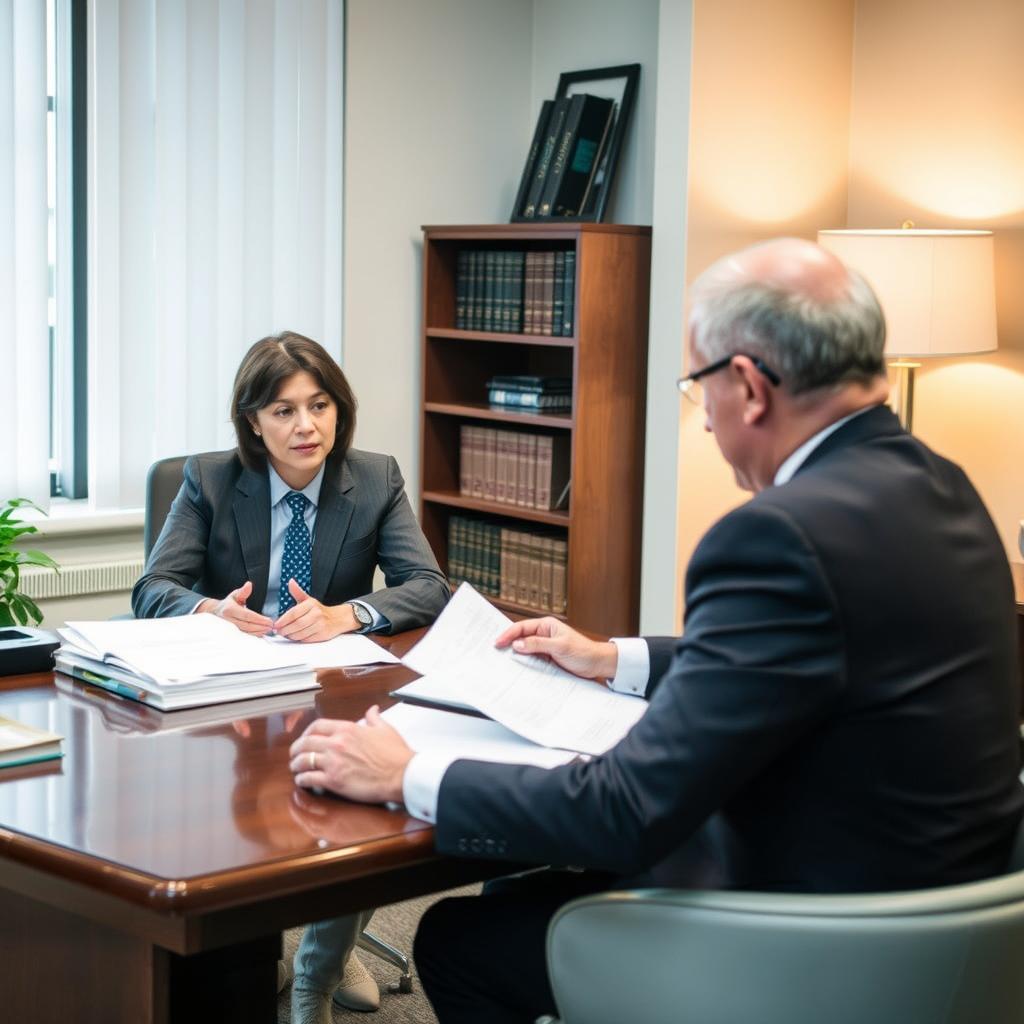
Do I need a lawyer for an uncontested divorce in Chenango County
You are not legally required to hire a lawyer for an uncontested divorce in New York. However, working with an experienced family law attorney can help you avoid procedural mistakes that delay a final judgment. An uncontested divorce means you and your spouse agree on all issues—grounds, property division, spousal maintenance, and, if applicable, child custody and support. Even when both sides are cooperative, New York’s Domestic Relations Law imposes specific procedural requirements and automatic financial restraints that benefit from legal guidance. Mr. Sris and the firm’s Of Counsel attorneys assist clients with uncontested divorce filings throughout Chenango County, including the Supreme Court in Norwich. To schedule a consultation about your situation, call (888) 437‑7747.
Is Legal Representation Required for an Uncontested Divorce in New York?
New York law does not require you to retain an attorney to file for divorce. You may prepare and submit the necessary papers on your own. The risk, however, is that a simple oversight—an incorrectly completed financial disclosure, failure to address a retirement account, or an unclear parenting plan provision—can turn an amicable, uncontested matter into a contested dispute that requires additional court appearances and costs. Because an uncontested divorce resolves all issues by agreement, the paperwork must accurately reflect that agreement and meet the statutory standards under the Domestic Relations Law.
By having counsel review or prepare your settlement agreement and court filings, you gain confidence that the terms are enforceable and that no unresolved issues will surface after the judgment is entered. Law Offices Of SRIS, P.C. helps ensure your uncontested divorce proceeds efficiently. The firm’s knowledge of local practice in Chenango County means your documents are formatted as the court expects and filed correctly.
Frequently Asked Questions
Do I need a lawyer if my divorce is uncontested in Chenango County?
You are not required to hire a lawyer, but even in an uncontested divorce, a lawyer helps make sure all documents and agreements meet New York’s legal standards. An uncontested divorce requires a signed settlement agreement resolving all financial and parenting issues. If any term is unclear or unenforceable, a court may reject the agreement. A family law attorney can draft a comprehensive agreement that protects your interests and file the necessary papers with the Chenango County Supreme Court. To discuss your matter, contact Law Offices Of SRIS, P.C. at (888) 437‑7747.
How does an uncontested divorce work in Chenango County, New York?
An uncontested divorce in New York is based on your mutual agreement on all issues, with at least one spouse filing a summons and complaint or a joint petition in the Supreme Court. New York allows an uncontested divorce on the ground of irretrievable breakdown of the relationship for at least six months. You and your spouse prepare a settlement agreement covering property division, spousal maintenance, and, if children are involved, custody and support. The papers are filed with the Chenango County Supreme Court. If everything is in order, a judgment of divorce is issued without a trial. The exact timeline depends on the court’s calendar.
How long does a divorce take in Chenango County, New York?
An uncontested divorce in Chenango County typically resolves in a matter of months from filing to judgment, while contested divorces can extend well over a year. For an uncontested case where all documents are complete and both parties have complied with the six‑month irretrievable breakdown requirement, the court can finalize the divorce without a court appearance once the judge reviews and signs the papers. The specific duration depends on the court’s docket and whether any documents need correction. A contested divorce, by contrast, involves motion practice, discovery, and possibly a trial, which adds significant time. Reach Law Offices Of SRIS, P.C. at (888) 437‑7747 for an appointment.
What are the residency requirements to file for divorce in Chenango County?
In New York, one of the spouses must meet the statutory residency requirement, typically residing in New York for a continuous period prior to filing. The Domestic Relations Law specifies several ways to meet the residency test. For example, you or your spouse must have been a resident of New York for at least two continuous years immediately before the divorce case is started, or one year if you were married in New York and reside in New York as a spouse, or one year if the grounds for divorce arose in New York. The Chenango County Supreme Court, located at 5 Court Street in Norwich, serves residents of the county who meet these requirements.
Can we use the same lawyer for an uncontested divorce in New York?
One attorney cannot represent both spouses in a divorce because each spouse has separate interests. Even in an amicable, uncontested divorce, New York’s ethics rules require independent legal advice for each party. Often, one spouse retains a divorce attorney to prepare the settlement agreement and court papers, and the other spouse reviews the documents with their own attorney. Alternatively, one spouse may proceed without a lawyer while the other has counsel, but the attorney represents only the client who retained them. To discuss representation for your uncontested divorce, call (888) 437‑7747.
What is a settlement agreement in an uncontested divorce?
A settlement agreement is a written contract between spouses resolving all issues in the divorce, including property division, spousal support, and any arrangements for children. In New York, an uncontested divorce relies on a signed, notarized settlement agreement. The agreement addresses equitable distribution of marital assets and debts, spousal maintenance (alimony), and, when applicable, child custody, visitation, and child support. Once signed, the agreement is submitted to the court with the divorce papers. If the judge finds the agreement fair and compliant with the law, it is incorporated into the divorce judgment. Having an attorney draft the agreement helps ensure it is enforceable.
Is mediation a requirement before filing for divorce in Chenango County?
New York does not require mediation before a divorce filing, but some courts encourage alternative dispute resolution to narrow issues. While not mandatory, mediation can be a cost‑effective way for spouses to reach agreement on contested issues and convert a contested divorce into an uncontested one. In the Sixth Judicial District, which includes Chenango County, alternative dispute resolution is sometimes used to resolve custody and financial disputes without a full trial. If you are able to settle all issues through mediation, your attorney can then prepare the uncontested divorce documents. Call (888) 437‑7747 to learn more.
What does “equitable distribution” mean in a New York uncontested divorce?
Equitable distribution means that marital property is divided fairly, but not necessarily equally, between the spouses. New York is an equitable distribution state. In an uncontested divorce, you and your spouse decide how to divide your assets and debts in the settlement agreement. The court will review the agreement to ensure the division is fair under the Domestic Relations Law § 236. If you and your spouse cannot agree, the court will apply statutory factors to determine what is equitable. Working with an experienced attorney helps you understand which assets are marital and how to structure a division that meets legal standards.
How do I start an uncontested divorce in Chenango County?
You start by filing a summons and complaint—or a summons and verified complaint—with the Chenango County Supreme Court, along with the supporting documents. Before filing, you must meet the residency requirement and have grounds for divorce. In an uncontested case, you and your spouse prepare a settlement agreement and, if necessary, a parenting plan. You then file the documents, pay the required filing fee (an index number and a request for judicial intervention fee may apply), and serve your spouse with the papers. Once the waiting period ends and the court reviews the documents, a judgment of divorce is entered. For guidance on starting the process, contact Law Offices Of SRIS, P.C. at (888) 437‑7747.
Does the court require a hearing for an uncontested divorce in Chenango County?
In most uncontested divorces, the court grants the divorce on the papers without requiring an in‑person hearing. If all documents are complete, properly sworn, and the settlement agreement addresses every issue, a Chenango County Supreme Court judge can sign the judgment administratively. In some situations—for example, if a document is missing or a judge wants clarification—the court may schedule a brief appearance. Your attorney can advise whether your specific case is likely to require a court appearance and prepare you if one is set.
What happens if we agree on everything but later one spouse changes their mind?
A signed settlement agreement is a binding contract; if one spouse breaches the agreement after the divorce, the other may seek enforcement through the court. For that reason, it is important to have the agreement reviewed by independent counsel before signing. Once the divorce judgment is entered, any unresolved disputes about property or children are handled as post‑judgment matters. If you are concerned about future compliance, an attorney can draft the agreement with clear language and provisions that address modification and enforcement.
Does Law Offices Of SRIS, P.C. handle uncontested divorces for families with children?
Yes. The firm assists clients with uncontested divorces that include custody, visitation, and child support agreements. Even when both parents agree, a parenting plan must be specific enough to avoid future disagreements and must include the statutory child support calculation. The firm works with parents to create a parenting plan that addresses decision‑making, parenting time, holidays, and child support consistent with New York’s Child Support Standards Act. To discuss your family’s situation, call (888) 437‑7747.
About Mr. Sris and the Firm’s Of Counsel Attorneys
Mr. Sris, Owner and Founder of Law Offices Of SRIS, P.C., is a former prosecutor and a multi‑state attorney admitted in New York, Virginia, Maryland, the District of Columbia, and New Jersey. He has practiced since 1997 and appears in courts across New York, including the Supreme Court in Chenango County. The firm’s Of Counsel attorneys bring extensive experience in family law matters, handling uncontested and contested divorces, custody, support, and property division. Together, Mr. Sris and the firm’s Of Counsel attorneys provide experienced guidance tailored to your situation. For a consultation, reach the firm at (888) 437‑7747.
New York County (Manhattan) Family Law |
Kings County (Brooklyn) Family Law |
Queens County (Queens) Family Law |
Richmond County (Staten Island) Family Law |
Nassau County (Long Island) Family Law
Attorney advertising. Prior results do not guarantee a similar outcome.
Case results depend on a variety of factors unique to each case.
Results may vary.