
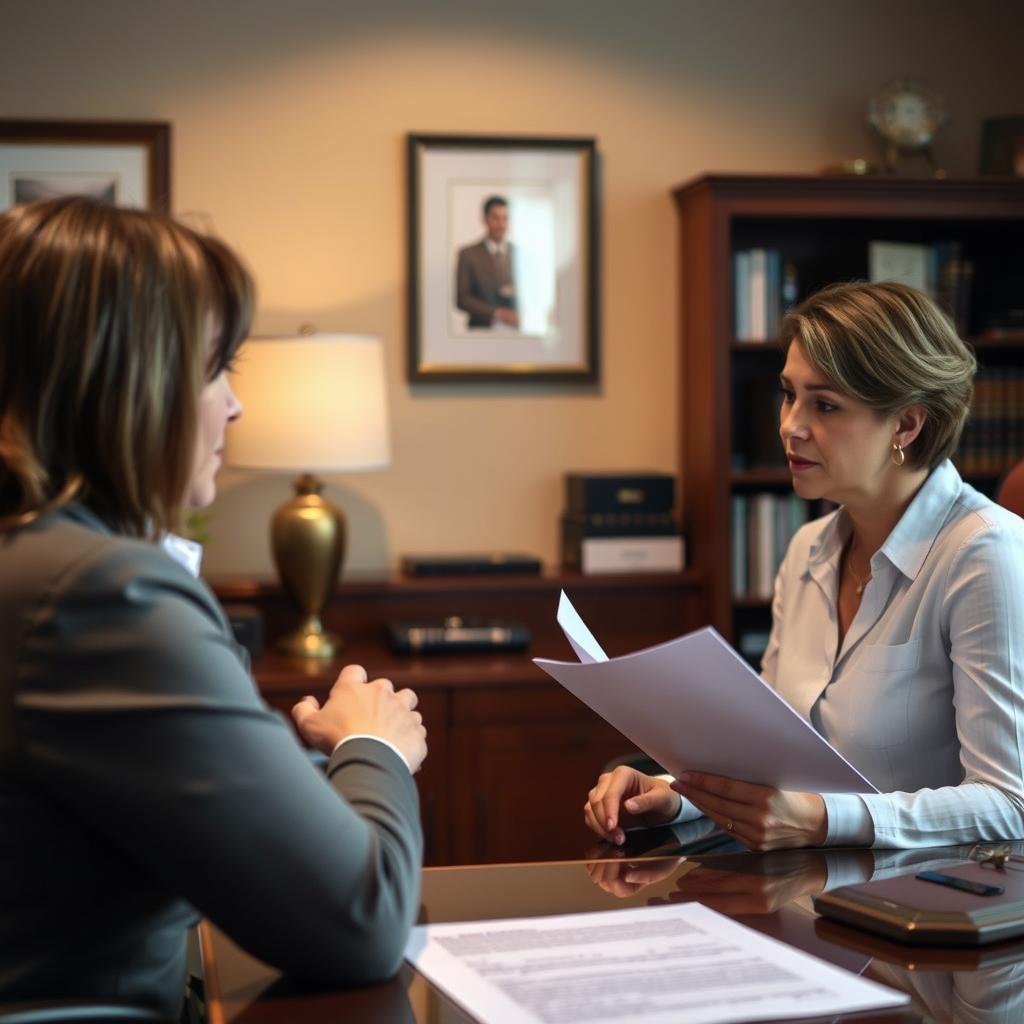
How is child custody decided in Falls Church
Child custody decisions in Falls Church, Virginia, are based on the best interests of the child under Virginia Code § 20‑124.3. The court weighs ten statutory factors, including each parent’s role in the child’s life, the child’s relationship with siblings and extended family, and any history of family abuse. Cases filed as part of a divorce are heard in the Falls Church Circuit Court, while standalone custody, visitation, and support matters proceed in the Falls Church Juvenile and Domestic Relations District Court. Whether you are seeking sole custody, joint custody, or a modification, an experienced family law attorney can explain how the court applies the trusted‑interests standard and help you present your case effectively. To discuss your situation, reach Law Offices Of SRIS, P.C. at (888) 437‑7747. Law Offices Of SRIS, P.C. – Advocacy Without Borders.
Understanding Child Custody in Falls Church, Virginia
Virginia law recognizes two categories of custody: legal custody—the authority to make major decisions about the child’s upbringing—and physical custody—where the child lives on a day‑to‑day basis. Either type can be awarded solely to one parent or jointly to both. The Falls Church Juvenile and Domestic Relations District Court handles custody petitions when no divorce is pending; when custody is part of a divorce action, the Falls Church Circuit Court decides the matter. Both courts apply the same statutory framework, and the same ten factors govern every judicial determination.
Beyond the ten enumerated factors, the court may consider any other circumstance it finds relevant. The child’s own preference is one factor but is not dispositive; its weight depends on the child’s age, intelligence, and experience. The court also looks at each parent’s willingness to support the child’s relationship with the other parent—a parent who unreasonably denies visitation or contact can be viewed unfavorably. Because every family’s facts are different, the outcome is always fact‑specific.
How Mr. Sris and His Of Counsel Handle Child Custody Cases
Mr. Sris and his Of Counsel approach each Falls Church custody matter by first understanding the parent’s goals and the child’s needs. They gather relevant evidence—school records, medical reports, communication logs—and, when appropriate, work toward a negotiated parenting plan that avoids a contested hearing. If litigation is necessary, they prepare a thorough presentation for the court, addressing each of the statutory factors with admissible evidence.
Throughout the process, the team keeps the parent informed about what to expect in Falls Church courts. They explain procedural steps, potential timelines, and the roles of guardians ad litem or custody evaluators where those professionals are involved. Because the firm handles family law matters across Virginia, Maryland, the District of Columbia, New Jersey, and New York, it is well positioned to manage custody disputes that cross state lines or involve multi‑jurisdictional questions.
About Mr. Sris and His Of Counsel Team
Mr. Sris, Owner and Founder of Law Offices Of SRIS, P.C., began practicing in 1997 and is a former prosecutor. He is admitted in Virginia, Maryland, the District of Columbia, New Jersey, and New York. Mr. Sris testified before the Virginia House Courts of Justice Committee in support of 2019 HB 635 (chief patron Del. David Bulova). Together with his Of Counsel, he brings extensive combined legal experience to child custody and all other family law matters.
The Of Counsel attorneys at the firm each contribute substantial litigation experience, and every attorney working on a Falls Church case is familiar with the local courts and the judges’ expectations. The team meets with clients by appointment at the firm’s Fairfax location, which is convenient for residents of Falls Church and the surrounding communities.
Frequently Asked Questions
How is child custody decided in Falls Church, Virginia?
Custody is decided by applying the ten best‑interest factors listed in Virginia Code § 20‑124.3, with no single factor controlling. The Falls Church Juvenile and Domestic Relations District Court or the Falls Church Circuit Court evaluates the child’s age, each parent’s relationship with the child, the child’s needs, and any history of family abuse. The court may also consider the child’s preference if the child is of sufficient age and maturity. The ultimate order—legal custody, physical custody, or both—reflects what arrangement the judge believes will best serve the child’s welfare.
What factors does the court consider in a Falls Church custody case?
The court considers ten factors, including the age and condition of the child and each parent, the relationship between the child and each parent, the role each parent has played in the child’s life, and the willingness of each parent to support the child’s relationship with the other parent. Other factors include any history of family abuse, the reasonable preference of the child, and the child’s needs for continuity. No one factor outweighs the others; the court balances them to reach an order that promotes the child’s best interests.
Can grandparents get custody or visitation in Falls Church?
Yes, Virginia law allows grandparents to seek custody or visitation in certain circumstances. A grandparent may petition for custody if the child’s parents are unfit or if other extraordinary circumstances exist. A separate statute, Virginia Code § 20‑124.2, provides a framework for grandparent visitation, but the grandparent must show that the visitation is in the child’s best interests and that the parent’s opposition is unreasonable. These cases are heard in the same Falls Church courts that handle all child‑related matters.
How does the court handle relocation cases in Falls Church?
Virginia law requires a parent intending to relocate to give the other parent and the court thirty days’ advance written notice. If the move will significantly impact the existing custody arrangement, either parent may ask the Falls Church court to modify custody. The judge will evaluate the same best‑interest factors and determine whether the relocation serves the child’s needs, considering the distance, the reason for the move, and the effect on the child’s relationship with the non‑relocating parent.
Do I need a lawyer for a child custody matter in Falls Church?
You are not required to have a lawyer, but an experienced family law attorney can help you present your case in a way that addresses the statutory factors and the court’s expectations. Custody proceedings involve evidentiary rules and procedural deadlines that are difficult for a person to navigate alone. An attorney can advise you on the types of evidence that are most persuasive and can cross‑examine witnesses effectively. For guidance on your specific situation, reach Law Offices Of SRIS, P.C. at (888) 437‑7747.
How do I start a custody case in Falls Church?
A custody case begins by filing a petition in the Falls Church Juvenile and Domestic Relations District Court or, if a divorce is already pending, by filing a motion in the Falls Church Circuit Court. The petition must set out the relevant facts and the relief sought. After the petition is served on the other parent, the court will schedule a hearing. Mediation is available but is not required; in some cases, the court may order a custody evaluation. To discuss the details of your matter, contact Law Offices Of SRIS, P.C. at (888) 437‑7747.
For more information about family law in nearby communities, visit our Fairfax County family law page, our Fairfax City family law page, or our Prince William County family law page.
Additional authoritative resources: Virginia Code § 20‑124.3 – Best interests of the child · Virginia’s Judicial System
Attorney advertising. Prior results do not guarantee a similar outcome.
Case results depend on a variety of factors unique to each case.