
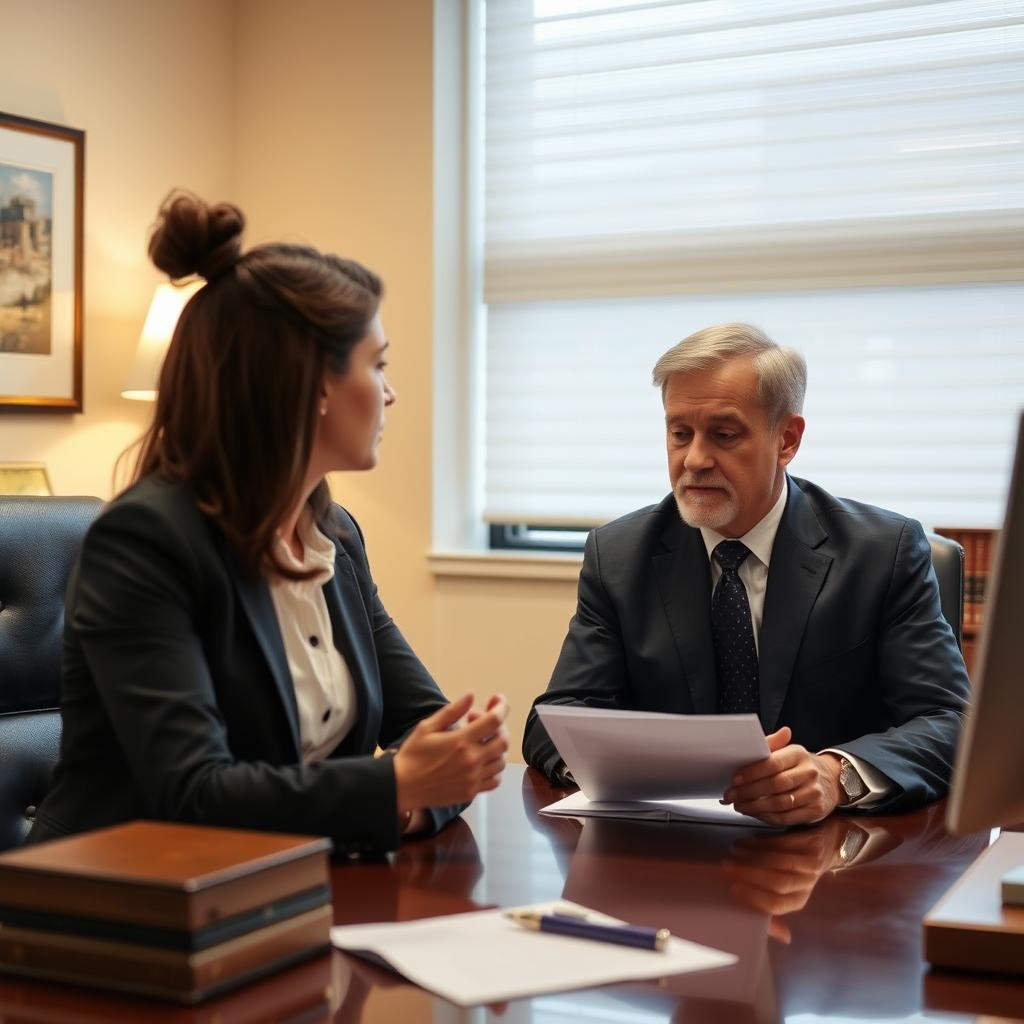
Do I need a lawyer for an uncontested divorce in New York County
You are not legally required to hire an attorney to obtain an uncontested divorce in New York County. Many spouses proceed without a lawyer, especially when they agree on all issues and the marriage has no complex property or child‑related disputes. However, representing yourself carries significant risks. New York’s divorce procedures involve detailed paperwork, statutory requirements under the Domestic Relations Law, and local Supreme Court practices that can trip up an unrepresented party. A procedural mistake can delay the divorce, create unintended financial obligations, or even result in the court rejecting your filing. Mr. Sris and his Of Counsel at Law Offices Of SRIS, P.C. assist clients in New York County with uncontested divorce matters, helping them navigate the process efficiently while safeguarding their interests. Reach our location at (888) 437-7747 to discuss your situation. Law Offices Of SRIS, P.C. – Advocacy Without Borders.
Direct Answer: Do I need a lawyer for an uncontested divorce in New York County?
No, New York law does not mandate that you retain an attorney to file an uncontested divorce. The court system provides self‑help instructions and standardized forms for couples who have resolved all issues—division of property, spousal maintenance, child custody, and support—and wish to end the marriage without a trial. Yet many people discover that “uncontested” does not mean simple. Even when both spouses are in complete agreement, the paperwork must satisfy specific statutory requirements. The settlement agreement must conform to the Domestic Relations Law’s standards for equitable distribution and, if applicable, child support guidelines. The New York County Supreme Court at 60 Centre Street follows its own filing protocols, and errors can cause months of delay or result in an unenforceable agreement. An experienced family law attorney can help ensure that your uncontested divorce is completed correctly the first time, protecting your rights and your future.
Frequently Asked Questions
What is an uncontested divorce in New York?
An uncontested divorce in New York is one where both spouses agree that the marriage has irretrievably broken down for at least six months and they have resolved all issues—property division, spousal support, child custody, and support—either through a written separation agreement or a negotiated settlement. Because the parties are not asking the court to decide contested matters, the process can be quicker and less expensive than a disputed divorce. The court still reviews the agreement and the required forms to ensure they comply with New York law before granting the Judgment of Divorce.
How does the uncontested divorce process work in New York County?
Uncontested divorces in New York County are filed in the New York County Supreme Court at 60 Centre Street, New York, NY 10007. The process begins when one spouse, the plaintiff, files a Summons with Notice or Summons and Complaint and purchases an index number. The defendant spouse is then served and must respond. If both parties agree, they submit a notarized separation agreement addressing property, support, and custody. After the necessary waiting periods, the plaintiff files a Note of Issue and the judgment package, and the court issues the divorce decree if everything is in order.
Can I file for an uncontested divorce without a lawyer in New York?
Yes, you may file for an uncontested divorce without a lawyer. New York’s court system provides self-help resources and fill‑in‑the‑blank forms for uncontested divorces. However, many self‑represented litigants discover that completing the papers and understanding the legal requirements is more complicated than expected. Mistakes in the settlement agreement or omission of required documents can delay the final judgment, and the court cannot give you legal advice. For many people, consulting an attorney saves time and provides peace of mind.
What are the risks of handling an uncontested divorce on my own?
Risks include incorrectly filling out legal forms, failing to address all marital assets or debts, agreeing to an inequitable spousal support arrangement, or overlooking the effect of divorce on retirement accounts, health insurance, and tax status. New York’s equitable distribution law requires full financial disclosure, and an incomplete set of forms can cause the court to reject the filing. If you later discover that the agreement left out significant property or support terms, you may need to return to court, costing additional time and expense.
How can a family law attorney help with an uncontested divorce in New York?
An experienced family law attorney can ensure that your settlement agreement complies with New York law, draft and file all court documents correctly, advise on the equitable distribution of property, calculate maintenance under the statutory formula, and protect your rights throughout the process. The attorney can also help you understand how the divorce will affect your pension, stock options, business interests, and debt responsibility. Having professional guidance reduces the chance of costly errors and helps the case move forward smoothly.
What happens if my spouse and I agree on all issues?
If you and your spouse agree on all issues, you can submit a fully executed separation agreement to the court along with the necessary paperwork, and the divorce can proceed as uncontested, often without a court appearance. The agreement must cover property division, spousal maintenance if applicable, child custody and parenting time, and child support. The judge reviews the agreement to confirm that it is fair and that both parties entered into it voluntarily. If the court approves, the divorce is granted.
Do I need to appear in court for an uncontested divorce in New York?
In many uncontested divorce cases in New York, a personal appearance is not required; the court may grant the divorce based on the submitted papers. However, the judge has the discretion to request a brief appearance, especially if there are minor children or if the judge wants to confirm that both parties understand and consent to the terms. Your attorney can advise you whether an appearance is likely and prepare you for it if needed.
How much does an uncontested divorce cost in New York?
The filing fees in New York Supreme Court include the index number fee, the Request for Judicial Intervention fee, and other costs such as note of issue and certified copies. Attorney fees vary depending on the complexity of your case. If you and your spouse have a signed separation agreement and no contested issues, the legal fees are generally lower than in a contested matter. To understand the likely cost for your situation, you can schedule a consultation with Mr. Sris and his Of Counsel.
What documents are needed for an uncontested divorce in New York?
Required documents include a Summons, Verified Complaint, Affidavit of Service, Note of Issue, Judgment of Divorce, and various supporting forms. If you have a separation agreement, it must be signed and notarized. Additional documents may be needed if you are asking the court to waive child support guidelines or if there are retirement accounts to be divided via a Qualified Domestic Relations Order. An attorney can help you assemble the correct package for your circumstances.
Where do I file for uncontested divorce in New York County?
Uncontested divorce cases in New York County are filed in the New York County Supreme Court, located at 60 Centre Street, New York, NY 10007. The court’s Matrimonial Part handles divorce cases. While the Supreme Court is the trial court of general jurisdiction in New York, Family Court handles related matters such as child support and custody. Your attorney can confirm the correct filing location and any specific requirements of the court’s clerk.
Can a New York uncontested divorce be handled remotely?
Many aspects of an uncontested divorce can be handled remotely, including consultations with your attorney, document exchange, and, in some cases, virtual court appearances. The New York courts have expanded remote access since 2020, and many procedural conferences and even some uncontested hearings can be conducted by video. Working with a firm that efficiently manages client communication and e‑filing can make the process convenient regardless of your location.
Should I consult a lawyer if I already have a separation agreement?
Yes, it is wise to have an attorney review your separation agreement before submitting it to the court to ensure it meets legal requirements and fully protects your interests. Even if you and your spouse reached a fair agreement on your own, the document must be drafted using specific language to satisfy New York law. An attorney can spot gaps, verify that all required financial disclosures are included, and confirm that the agreement does not waive rights you may want to preserve. A quick review can prevent future disputes and the need for costly post‑judgment modification.
About Mr. Sris and His Of Counsel Team
Mr. Sris, Owner and Founder of Law Offices Of SRIS, P.C., has been practicing since 1997. He is admitted in Virginia, Maryland, the District of Columbia, New Jersey, and New York. Mr. Sris testified before the Virginia House Courts of Justice Committee in support of 2019 HB 635 (chief patron Del. David Bulova). He works with a team of experienced Of Counsel who support the firm’s family law practice across multiple jurisdictions. Every member of the team brings extensive litigation and negotiation experience to each matter. Our Buffalo location serves clients throughout New York State, including New York County, from 50 Fountain Plaza, Suite 1400, Office No. 142, Buffalo, NY 14202.
For more on New York divorce laws, visit the New York State Unified Court System website and review the New York Domestic Relations Law.
Attorney advertising. Prior results do not guarantee a similar outcome. Case results depend on a variety of factors unique to each case. Results may vary.