
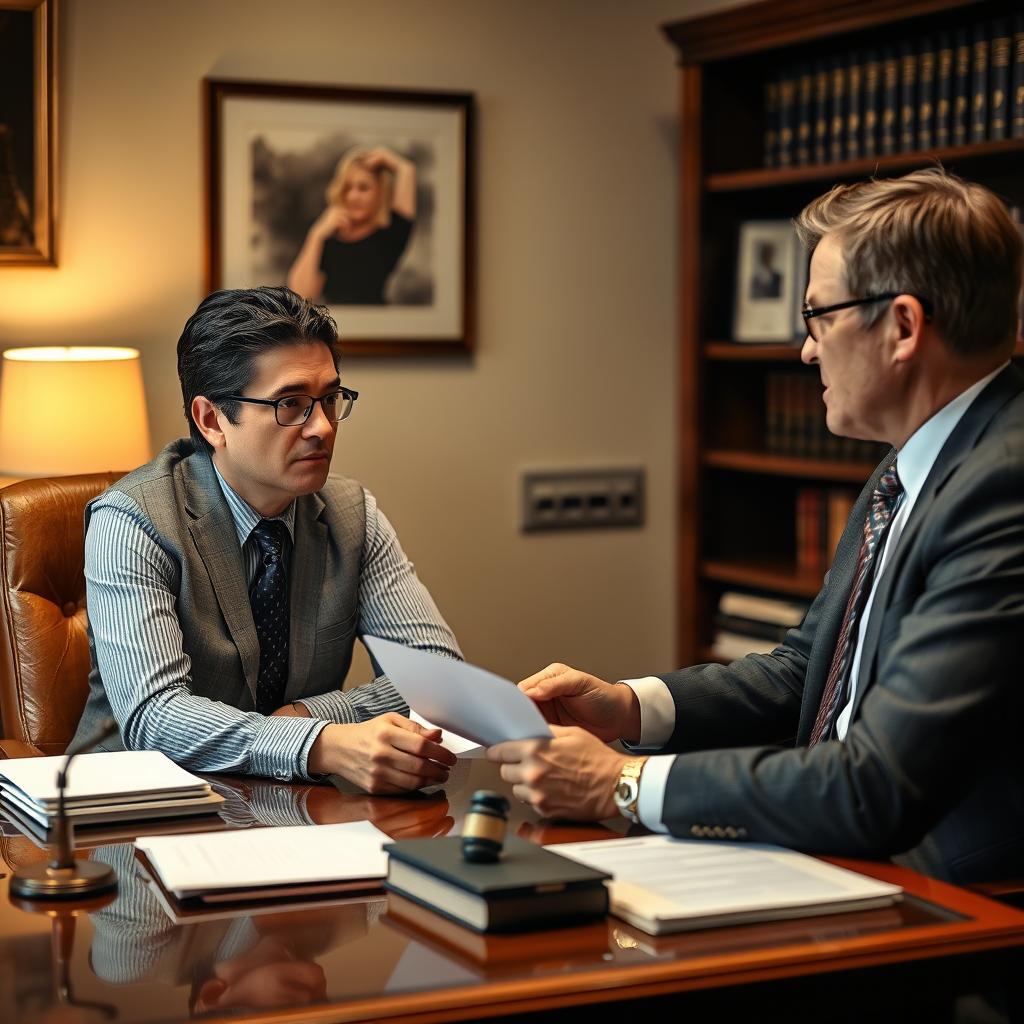
How long does a criminal case take in Petworth
A criminal case in Petworth—a vibrant neighborhood in Washington, D.C.—unfolds on a timeline shaped by the type of charge, court scheduling, and legal strategy. Petworth residents face criminal matters at the D.C. Superior Court, 500 Indiana Avenue NW, where the U.S. Attorney’s Office prosecutes all local offenses. Misdemeanors typically move faster: an arraignment occurs within 24 hours of arrest (or on the next court day), and trial is generally set 2 to 4 months later. Felony cases involve grand jury indictment and often take 6 to 12 months or longer before trial, especially when pretrial motions, plea negotiations, or competency evaluations arise. The timeline for any single case depends on its complexity, the number of witnesses, and the court’s calendar. Mr. Sris and his Of Counsel team at Law Offices Of SRIS, P.C. help clients navigate each stage efficiently. For guidance on your situation, reach us at (888) 437-7747. Law Offices Of SRIS, P.C. – Advocacy Without Borders.
In D.C. Superior Court, misdemeanor trials are usually scheduled 2–4 months after arraignment; felony trials often take 6–12 months or more, influenced by grand jury indictment, pretrial motions, and court congestion.
Based on D.C. Superior Court Criminal Division general practice. dccourts.gov/criminal-division
Reviewed by Mr. Sris, admitted in VA/MD/DC/NJ/NY.
What Shapes a Criminal Case Timeline in Petworth
Every criminal case in D.C. Follows a procedural path that affects the total time from arrest to resolution. The seriousness of the charge—misdemeanor or felony—is the primary driver. Petworth cases, like all D.C. Matters, are handled under D.C. Code Title 22, and the court’s calendar dictates much of the scheduling. Additional factors include whether a defendant requests a jury trial, whether mental health evaluations are required, and how crowded the court’s docket is. Cases with multiple defendants, complex evidence, or pending lab results can extend further. Skilled defense counsel works to move the case forward while protecting the client’s rights at every hearing.
Petworth residents also benefit from D.C.’s unique pretrial system: the Pretrial Services Agency assesses risk and recommends release conditions instead of cash bail. This can allow a person to remain out of custody while the case proceeds, but the availability of a non‑monetary release does not itself shorten the trial timeline. Understanding how the local court operates helps defendants and their families plan for the months ahead.
Frequently Asked Questions
How long does a criminal case take in Petworth?
In Washington, D.C., a misdemeanor case typically reaches trial 2–4 months after arraignment, while a felony can take 6–12 months or more. The actual time depends on the specific charge, the need for a grand jury indictment in felony matters, pretrial motions, plea negotiations, and the court’s schedule. Cases resolved by plea often finish sooner. The D.C. Superior Court also enforces speedy‑trial protections that limit undue delay. Every case is unique; an experienced attorney can provide a realistic estimate after reviewing the circumstances.
Does D.C. Have cash bail?
No. D.C. Does not use cash bail. Instead, the Pretrial Services Agency—a federal agency—evaluates each person arrested and recommends release conditions based on risk of flight and community safety. Most defendants are released without posting money. This system, unique among U.S. Jurisdictions, means a person’s financial resources do not determine pretrial freedom. All hearings take place at D.C. Superior Court, 500 Indiana Avenue NW.
What is the difference between a misdemeanor and a felony in D.C.?
A misdemeanor is a less serious offense punishable by up to 180 days in jail and a $1,000 fine; a felony carries a sentence of more than one year and often involves substantial prison time. Misdemeanors include simple assault, disorderly conduct, and petty theft. Felonies include armed robbery, burglary, and serious drug distribution. The classification affects which procedural steps apply, with felonies generally requiring a grand jury indictment and a more extended pretrial process.
How does the D.C. Superior Court schedule criminal cases?
The D.C. Superior Court Criminal Division assigns hearing dates based on judicial availability, the type of charge, and statutory deadlines. After an arrest, the first appearance occurs before a magistrate judge. Misdemeanor cases then move to a status hearing and, if no plea is entered, to trial. Felony cases begin with a preliminary hearing, followed by grand jury review and then trial scheduling. The court’s docket is public; an attorney familiar with local procedures can help you understand your target dates.
What happens at an arraignment in D.C.?
At an arraignment, the defendant is formally advised of the charges and enters a plea of guilty, not guilty, or, in some cases, nolo contendere. For misdemeanors, arraignment often occurs within 24 hours of arrest. For felonies, arraignment takes place after a grand jury returns an indictment. The judge also reviews release conditions set by the Pretrial Services Agency. Legal representation at this stage is critical, as plea decisions can affect the entire trajectory of the case.
Can I get a public defender in D.C.?
Yes. The Public Defender Service for the District of Columbia (PDS) provides free legal representation to individuals who cannot afford an attorney. If you qualify financially, a PDS lawyer will be appointed at your first appearance. PDS attorneys are highly experienced in D.C. Criminal law. Alternatively, you may retain private counsel such as Mr. Sris and his Of Counsel team. Whether you use a public defender or hire private representation, you have the right to a vigorous defense.
What is a preliminary hearing in D.C. Criminal cases?
A preliminary hearing is a probable‑cause determination that occurs early in felony cases to decide if the case should move forward. At this hearing, the prosecutor must present enough evidence to show that a crime was committed and that the defendant likely committed it. The hearing is held in D.C. Superior Court, and the defense may cross‑examine witnesses. If the court finds probable cause, the case proceeds to grand jury review. If not, the charge may be dismissed.
How can a lawyer help speed up the criminal case timeline?
An attorney can expedite a case by filing appropriate motions, negotiating with the prosecutor early, and ensuring all evidence is promptly gathered and reviewed. Delays often arise from scheduling conflicts or incomplete discovery. Defense counsel who is familiar with the D.C. Superior Court and its procedures can push for earlier hearing dates, request speedy‑trial consideration, and identify grounds for dismissal when procedural violations occur. Proactive representation often leads to a more efficient resolution.
What factors can delay a criminal case in Petworth?
Common delays include backlogs in the court’s calendar, the need for forensic or lab testing, witness unavailability, and competency evaluations. In addition, a change of attorney, the filing of suppression motions, or the granting of continuances by either side can push back trial dates. The St. Elizabeths Hospital, which conducts psychological evaluations, may add 30–90 days when a competency assessment is ordered. While delays can be frustrating, they sometimes create opportunities for stronger defenses.
Can a case be dismissed if it takes too long?
Yes. Under the Speedy Trial Act and D.C. Supreme Court rules, defendants are entitled to a trial within a reasonable time. If the prosecution fails to move the case forward without justification, the defense can file a speedy‑trial motion to dismiss. The court evaluates the length of the delay, the reasons for it, and any prejudice caused to the defendant. Dismissal based on a speedy‑trial violation prevents reprosecution of the same charge. An attorney can advise whether such a motion is viable in your case.
How do I find a criminal defense attorney in Petworth?
Look for a lawyer with significant D.C. Superior Court experience, a track record of handling similar charges, and a thorough understanding of D.C. Criminal procedure. Law Offices Of SRIS, P.C., founded in 1997, represents clients throughout Washington, D.C., including Petworth. Our Arlington location is minutes from the courthouse. Call (888) 437-7747 to request a consultation. We assess your case, explain the likely timeline, and build a defense strategy focused on protecting your rights.
What should I do if I am arrested in Petworth?
Stay silent, ask for an attorney, and avoid discussing the facts with anyone until you have legal representation. After an arrest, you will be processed and likely appear before a magistrate within 24 hours. The Pretrial Services Agency will interview you to prepare a release recommendation. Do not provide statements about the alleged offense during that interview. Contact a criminal defense attorney immediately so that counsel can appear at your first hearing and advocate for your release.
About Mr. Sris and His Of Counsel Team
Mr. Sris, Owner and Founder of Law Offices Of SRIS, P.C., is a former prosecutor who founded the firm in 1997. Admitted in Virginia, Maryland, the District of Columbia, New Jersey, and New York, he brings a multi‑state perspective to criminal defense. Mr. Sris testified before the Virginia House Courts of Justice Committee in support of 2019 HB 635 (chief patron Del. David Bulova). Alongside his Of Counsel team—every attorney with over a decade of experience—he handles criminal matters in D.C. Superior Court and other courts throughout the region. Mr. Sris and his Of Counsel bring over 120 years of combined legal experience and have achieved 4,739+ documented firm-wide results; Results may vary. Our Arlington location serves Petworth and all Washington, D.C. Neighborhoods. To discuss your case, call (888) 437-7747.
Additional Resources
Washington DC criminal defense practice | criminal defense lawyer in Dupont Circle | Capitol Hill criminal attorney | Georgetown criminal defense
Attorney advertising. Prior results do not guarantee a similar outcome. Results may vary.
Case results depend on a variety of factors unique to each case.