
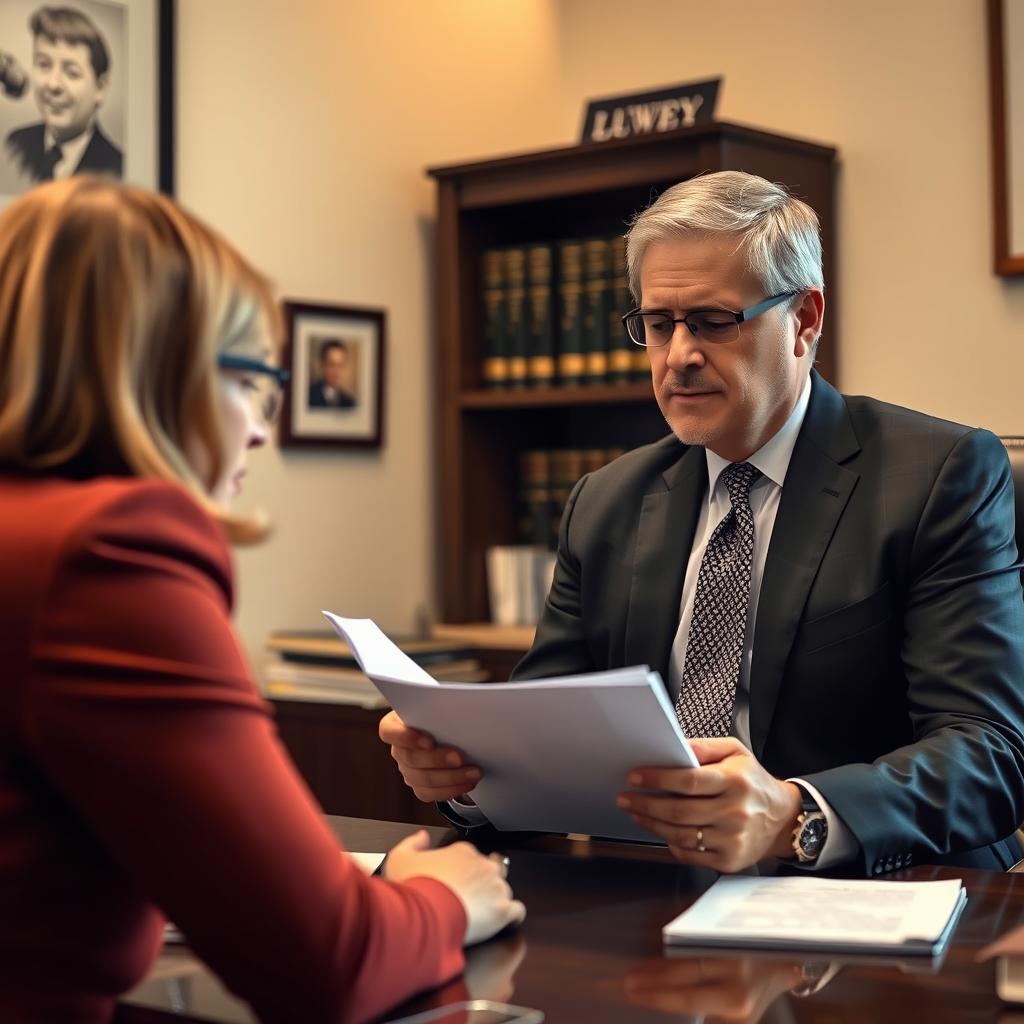
What happens at a criminal arraignment in Dupont Circle
A criminal arraignment in Dupont Circle is the first formal court appearance where a person who has been arrested is informed of the charges and enters a plea. Because Dupont Circle lies within the District of Columbia, all criminal cases are heard at the D.C. Superior Court at 500 Indiana Avenue NW, just a short distance from the neighborhood. At the arraignment, the judge or magistrate reads the charges, explains the defendant’s rights—including the right to counsel and the right to remain silent—and asks how the defendant wishes to plead. Common answers are “not guilty,” “guilty,” or in some cases “no contest.” The court also decides whether the defendant should be released pending the next hearing and under what conditions. Unlike many other jurisdictions, the District of Columbia does not rely on traditional cash bail. Instead, the Pretrial Services Agency (PSA) evaluates each defendant and makes a release recommendation to the court. Mr. Sris and his Of Counsel team at Law Offices Of SRIS, P.C. represent individuals from Dupont Circle through every stage of the criminal process, beginning with the arraignment. To discuss your case, call (888) 437-7747.
What a Criminal Arraignment Involves in Dupont Circle, D.C.
Dupont Circle, an iconic neighborhood known for its embassies, restaurants, and vibrant street life, falls under the jurisdiction of the D.C. Superior Court. Criminal cases here are prosecuted by the United States Attorney’s Office for the District of Columbia—a unique federal/local hybrid arrangement. When someone is arrested in or near Dupont Circle, they are usually taken to the Metropolitan Police Department for booking and then brought to the courthouse for arraignment. The arraignment is a critical moment because it formally starts the court case and triggers important deadlines for both the prosecution and the defense.
During the hearing, the judge makes sure the defendant understands what they are charged with. The criminal complaint or indictment is read aloud, and the defendant is told the maximum penalties each charge can carry. Depending on the charge—whether a misdemeanor like simple assault or a felony like robbery—the arraignment also sets the stage for how the case will proceed, including whether a preliminary hearing or a grand jury indictment is needed. In D.C., many felony cases must be presented to a grand jury, and the arraignment date can also mark the start of the time the government has to indict the defendant. In our practice at D.C. Superior Court, judges are thorough in making sure defendants know their rights and have access to counsel before accepting any plea. For residents of Dupont Circle and the surrounding area, having a lawyer present at the arraignment helps protect those rights from the very beginning.
How Mr. Sris and His Of Counsel Handle Criminal Arraignment Cases
Representation at an arraignment can influence the rest of the case. Mr. Sris and his Of Counsel approach each Dupont Circle client’s matter by first confirming that all procedural safeguards are followed. They ensure the charges are correctly stated, verify that the arresting agency—often the Metropolitan Police Department—has followed proper protocols, and advocate for release on the most favorable terms possible. Given D.C.’s PSA system, they may present information to the court about the client’s ties to the community, employment, and lack of prior record to support release without onerous conditions.
Beyond the courtroom, Mr. Sris and his Of Counsel immediately begin examining the evidence and developing a defense strategy. The arraignment often sets the schedule for discovery—the exchange of police reports, witness statements, and other evidence between the prosecution and defense. Early attention to these details can uncover weaknesses in the government’s case and open opportunities for a reduction or dismissal of the charges. Throughout the process, the team works to keep the client informed and prepared for each subsequent court date. They appear at D.C. Superior Court regularly and understand the expectations of the Criminal Division judges and the practices of the U.S. Attorney’s Office for D.C.
About Mr. Sris and His Of Counsel Team
Mr. Sris, Owner and Founder of Law Offices Of SRIS, P.C., has practiced law since 1997. A former prosecutor, he understands the government’s approach to criminal cases from the inside. Mr. Sris testified before the Virginia House Courts of Justice Committee in support of 2019 HB 635 (chief patron Del. David Bulova). He is admitted to practice in Virginia, Maryland, the District of Columbia, New Jersey, and New York. Mr. Sris and his Of Counsel bring over 120 years of combined legal experience. Results may vary. The firm has documented 4,739+ case results across all practice areas since 1997.
The Of Counsel attorneys who support D.C. Criminal defense work include lawyers with extensive experience in D.C. Superior Court and a commitment to thorough preparation. Together with Mr. Sris, they provide representation that spans from the initial arraignment through trial or resolution. Law Offices Of SRIS, P.C. serves clients throughout Washington, D.C., from its Arlington location at 1655 Fort Myer Dr, Suite 700, Room 719, Arlington, VA 22209. Consultations are available by appointment; call (888) 437-7747 to schedule.
Frequently Asked Questions
Do I need a lawyer at my arraignment in Dupont Circle?
You are not legally required to have a lawyer at your arraignment, but having one can protect your rights from the start. A lawyer can speak for you, argue for favorable release conditions under D.C.’s PSA system, and ensure the charges are correctly stated. Without a lawyer, you may feel pressure to enter a plea without fully understanding the consequences. The court will appoint a public defender if you qualify financially, but private counsel can be retained at any point. To request a consultation, call Law Offices Of SRIS, P.C. at (888) 437-7747.
What happens if I miss my arraignment in D.C.?
Missing a scheduled arraignment can result in a bench warrant for your arrest. The judge will likely issue a warrant, and law enforcement can take you into custody. Once arrested on the warrant, securing release may be more difficult. If you realize you missed the hearing, contact an attorney immediately to discuss surrendering voluntarily and addressing the warrant. The court may recall the warrant and reschedule the arraignment, but the outcome depends on the specific circumstances. For guidance, reach Law Offices Of SRIS, P.C. at (888) 437-7747.
Can I be released at the arraignment?
Yes, many defendants are released after a D.C. Arraignment, often with conditions set by the court. Since D.C. Does not use cash bail for most offenses, the Pretrial Services Agency (PSA) assesses whether you are a flight risk or a danger to the community. Based on that report, the judge may release you on personal recognizance—your promise to return to court—or with conditions such as drug testing, stay-away orders, or GPS monitoring. Having an attorney present your ties to the community can improve the likelihood of less restrictive conditions. For a consultation, contact Mr. Sris and his Of Counsel at (888) 437-7747.
What plea should I enter at an arraignment?
Entering a plea of “not guilty” at an arraignment is common and preserves your right to trial and to challenge the prosecution’s case. A not-guilty plea gives your lawyer time to review the evidence, negotiate with the prosecutor, and explore defenses. Pleading guilty at the arraignment waives many rights and should be done only after careful advice from counsel. The arraignment judge will not be offended by a not-guilty plea—it is a standard procedural step. To discuss the details of your matter, contact Law Offices Of SRIS, P.C. at (888) 437-7747.
How soon after arrest is the arraignment held?
D.C. Law requires that an arrested person be brought before a judicial officer without unnecessary delay, typically by the next business day. For weekend arrests, the arraignment often occurs on Monday or the next day court is open. This initial appearance gives the court a chance to review the charges and set release conditions. Because the timing can be quick, contacting an attorney as soon as possible after an arrest ensures that someone is prepared to appear at the arraignment and argue on your behalf. For a consultation, reach Mr. Sris and his Of Counsel at (888) 437-7747.
Washington D.C. Criminal Defense · Georgetown Criminal Lawyer · Spring Valley Criminal Defense · Cleveland Park Criminal Lawyer
Additional resources: D.C. Code Title 23 (Criminal Procedure) · D.C. Superior Court · D.C. Pretrial Services Agency
Attorney advertising. Prior results do not guarantee a similar outcome. Results may vary.
Case results depend on a variety of factors unique to each case.